
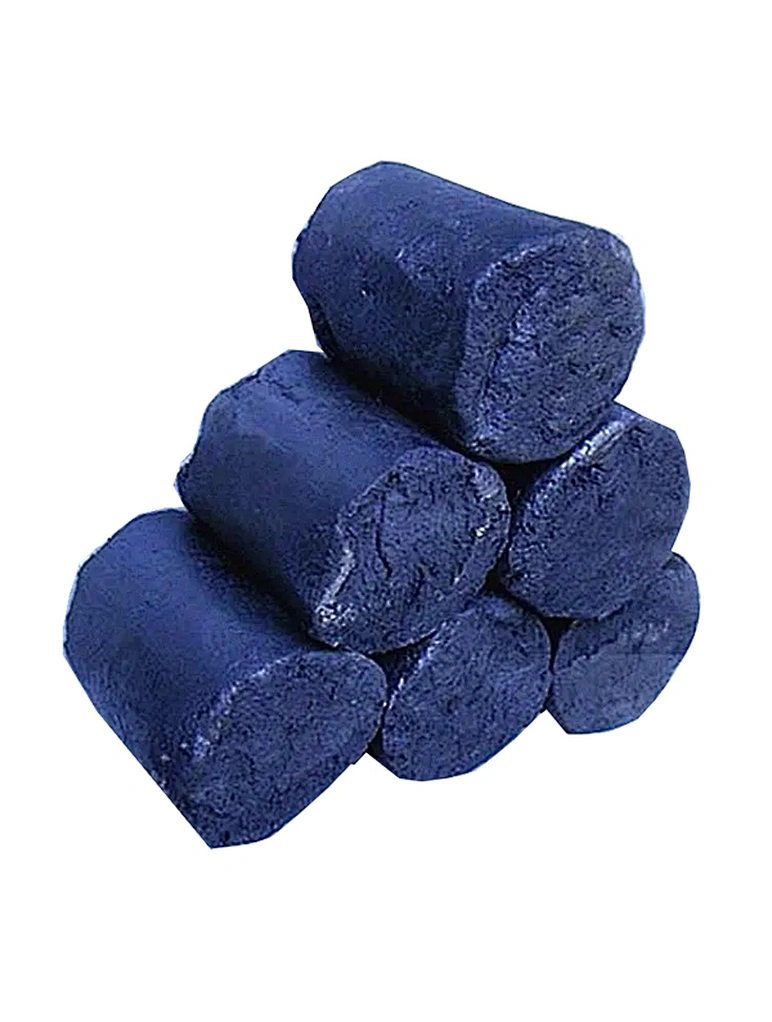
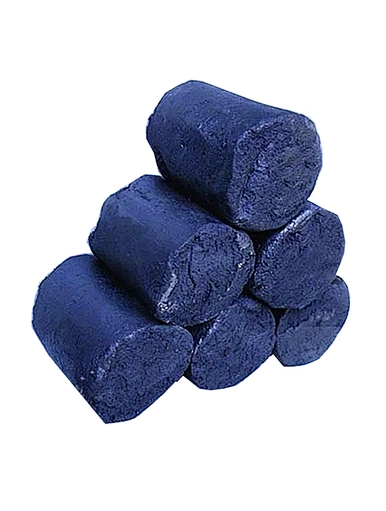
Anhydrous taphole clay waterless tapclay
waterless-tapclay
Anhydrous taphole clay is an amorphous functional refractory material used in the process of plugging tapholes in iron-making blast furnaces. taphole clay
Quantity
Anhydrous taphole clay
Anhydrous tap clay refers to tap clay made of tar, resin, etc. as binders, and corundum, bauxite, clay, silicon carbide, coke powder, etc. as raw materials. Anhydrous taphole clay generally uses corundum, high alumina bauxite, clay, sericite, asphalt, silicon carbide, coke powder, etc. as raw materials, and uses tar, resin, etc. as binders. The bulk density of corundum and high alumina bauxite is relatively large, which plays the role of supporting skeleton in the mud, which is the basis for the strength of the mud, which greatly improves the ability of the mud to resist the erosion of the iron slag solution; It can protect other carbon components, maintain the reducing atmosphere of the blast furnace iron mouth, and has good thermal conductivity, which can be quickly sintered and has a certain sintering strength; silicon carbide has a small thermal expansion coefficient, good thermal conductivity, and excellent thermal shock resistance, which can improve the The refractoriness, volume stability, high temperature strength and erosion resistance of the clay; clay and asphalt improve the plasticity of the clay; sericite improves the sintering strength and plasticity of the clay. Anhydrous taphole clay has the advantages of no moisture phenomenon, high strength, stable taphole depth, small taphole change during tapping process, etc., and will not cause large flow. Compared with the traditional water-based taphole clay, waterless taphole clay is favored by more and more iron and steel enterprises due to its excellent performance and environmental protection advantages.
Usage
Anhydrous taphole clay is an amorphous functional refractory material used in the process of plugging tapholes in iron-making blast furnaces.
The main parameters
Key words: anhydrous taphole clay, refractory material
Anhydrous tap clay refers to tap clay made of tar, resin, etc. as binders, and corundum, bauxite, clay, silicon carbide, coke powder, etc. as raw materials. Anhydrous taphole clay generally uses corundum, high alumina bauxite, clay, sericite, asphalt, silicon carbide, coke powder, etc. as raw materials, and uses tar, resin, etc. as binders. The bulk density of corundum and high alumina bauxite is relatively large, which plays the role of supporting skeleton in the mud, which is the basis for the strength of the mud, which greatly improves the ability of the mud to resist the erosion of the iron slag solution; It can protect other carbon components, maintain the reducing atmosphere of the blast furnace iron mouth, and has good thermal conductivity, which can be quickly sintered and has a certain sintering strength; silicon carbide has a small thermal expansion coefficient, good thermal conductivity, and excellent thermal shock resistance, which can improve the The refractoriness, volume stability, high temperature strength and erosion resistance of the clay; clay and asphalt improve the plasticity of the clay; sericite improves the sintering strength and plasticity of the clay. Anhydrous taphole clay has the advantages of no moisture phenomenon, high strength, stable taphole depth, small taphole change during tapping process, etc., and will not cause large flow. Compared with the traditional water-based taphole clay, waterless taphole clay is favored by more and more iron and steel enterprises due to its excellent performance and environmental protection advantages.
Usage
Anhydrous taphole clay is an amorphous functional refractory material used in the process of plugging tapholes in iron-making blast furnaces.
The main parameters
| Brands | WB-1 | WB-2 | XT-1 | 4-1 | 5-1 | 5-3 | M-1 |
| Al2O3 % | ≥30 | ≥30 | ≥25 | ≥35 | ≥35 | ≥35 | ≥8 |
| MgO % | ≥45 | ||||||
| SiC % | ≥10 | ≥10 | ≥7 | ≥12 | ≥14 | ≥15 | ≥10 |
| C % | ≥13 | ≥12 | ≥13 | ≥12 | ≥11 | ≥9 | ≥8 |
| Si3N4 % | ≥3 | ≥5 | ≥10 | ≥9 | ≥8 | ||
| Volatiles % | ≤13 | ≤13 | ≤20 | ≤11 | ≤10 | ≤9 | ≤8 |
| Bulk Density g/cm3 | ≥1.9 | ≥1.85 | ≥1.80 | ≥2.0 | ≥2.05 | ≥2.10 | ≥1.9 |
| 1450℃×3hr Hot MOR MPa | ≥5 | ≥5 | ≥5 | ≥6.5 | ≥7 | ≥8 | ≥6 |
| 1450℃×3hr Permanent Linear Change % | ±1.5 | ±1.5 | ±1.5 | ±1 | ±1 | ±1 | ±1.5 |
Key words: anhydrous taphole clay, refractory material