
Cold Mill Rolls: Technology Upgrades Support Higher Precision and Rolling Performance

Cold mill rolls are key components in the cold rolling process and have a direct impact on strip thickness accuracy, flatness, surface quality and rolling stability. As demand for automotive steel, high-strength steel, electrical steel, appliance steel and other high-value products continues to develop, cold rolling mills are placing greater requirements on roll performance.
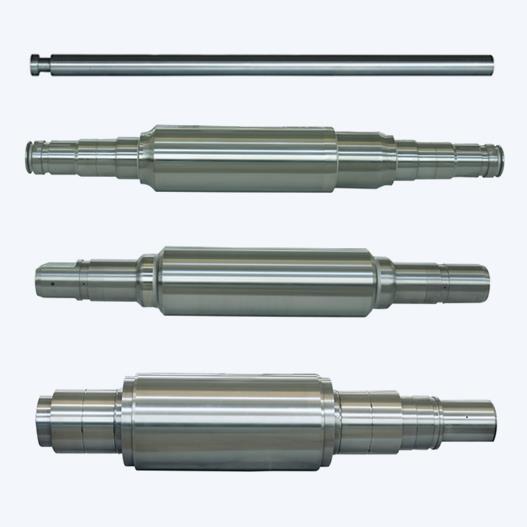
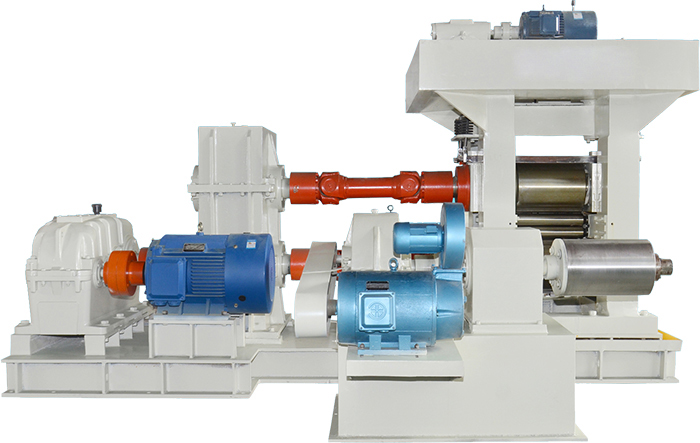
In typical 4-Hi, 6-Hi and multi-roll cold rolling mills, the roll system can include work rolls, intermediate rolls and backup rolls. Each type performs a different function. Work rolls are in direct contact with the strip and therefore have a particularly strong influence on surface quality and rolling accuracy. Intermediate rolls help optimize rolling force and strip shape, while backup rolls support the work rolls and improve overall mill rigidity.
Industry technical information indicates that modern cold rolling mills require different roll materials, hardness levels, hardened-layer depths and dimensional tolerances depending on the mill configuration and production requirements.
1. Work Roll Performance Is Critical to Product Quality
Work rolls operate under high rolling pressure and continuous friction. They therefore require high surface hardness, wear resistance, resistance to spalling and stable surface characteristics.
Cold rolling work rolls are commonly manufactured from alloy forged steels, with different material grades and heat-treatment processes selected according to the mill type and application. Industry suppliers provide various grades of forged cold mill rolls, including different chromium alloy systems, with performance characteristics designed for different rolling conditions.
For automotive steel and other high-surface-quality products, work roll surface condition is particularly important. Excessive wear, cracking, spalling or abnormal surface roughness can affect strip surface quality and rolling stability.
2. Backup Rolls Support Mill Rigidity and Thickness Control
Compared with work rolls, backup rolls generally have a larger diameter and greater weight. Their main function is to support the work rolls and minimize roll deformation under high rolling loads.
In 4-Hi and multi-roll cold rolling mills, the rigidity and dimensional accuracy of backup rolls can affect the stability of the roll gap. Excessive wear, deformation or surface defects can change the load distribution within the roll system and subsequently influence strip thickness and flatness.
Technical information on cold rolling equipment indicates that backup rolls are generally manufactured from high-strength forged alloy steels, with particular attention given to core toughness, bending strength and surface performance.
Backup rolls also require regular inspection and precision grinding to maintain the required diameter, roundness, cylindricity and surface condition.
3. Precision Grinding Is Becoming Increasingly Important
Roll manufacturing is only one part of the process. Precision grinding and surface inspection are also essential to the performance of cold mill rolls.
A recent example is the roll grinder project supplied by Tenova's Pomini division to Hindalco's Renukoot plant in India. The project covers grinding equipment for work rolls, backup rolls and other mill rolls used in hot and cold rolling operations.
The project incorporates digital surface analysis and monitoring technologies to evaluate roll surfaces and control the grinding process, helping improve roll quality and grinding consistency.
This project highlights a broader industry trend: modern roll management is moving beyond simply manufacturing a new roll toward an integrated cycle of manufacturing, operation, grinding, inspection and reuse.
4. Roll Materials and Heat Treatment Continue to Develop
As cold rolling products become stronger and quality requirements become more demanding, roll manufacturers continue to improve material and heat-treatment technologies.
Different chromium-alloy forged steel grades are available for cold mill rolls, with different combinations of hardness, wear resistance, toughness and fatigue performance. The appropriate grade needs to be selected according to the mill configuration, rolling material and operating conditions.
For work rolls, manufacturers need to balance high hardness and wear resistance with sufficient toughness and accident resistance. For backup rolls, overall strength, toughness and resistance to bending and fatigue are particularly important.
Therefore, forging, heat treatment and precision machining will continue to play an important role in improving roll service life.
5. Roll Failure Prevention Helps Reduce Production Costs
Cold mill rolls are critical consumable and maintenance components. Serious roll spalling, cracking or abnormal wear can increase replacement and grinding costs and may also lead to unplanned mill downtime.
Research into early failure mechanisms of cold rolling backup rolls has identified factors such as non-metallic inclusions, internal defects, microstructural changes and abnormal contact conditions as potential contributors to roll damage and spalling.
As a result, modern roll management increasingly emphasizes material quality, heat-treatment control, non-destructive testing, grinding quality and condition monitoring.
6. Digital Roll Management Is Becoming More Important
Another emerging trend is the combination of roll grinding equipment with digital inspection and data management.
By collecting information during grinding and production, steelmakers can establish a more complete record of each roll, including its grinding history, surface condition and operating performance.
This can help companies optimize grinding schedules, identify abnormal wear patterns and improve roll utilization.
Digital roll management can therefore contribute to a shift from traditional preventive maintenance toward more data-driven roll management and condition-based maintenance.
7. Future Development of Cold Mill Rolls
Based on current technology and market trends, the development of cold mill rolls is expected to focus on several areas:
Higher wear resistance
Longer roll campaigns can help reduce roll changes, grinding frequency and maintenance costs.
Improved surface quality
Better roll surfaces are increasingly important for automotive steel, appliance steel and other products with strict surface requirements.
Higher dimensional accuracy
Tighter control of roll profile, roundness, cylindricity and surface roughness can improve rolling precision.
Advanced materials and heat treatment
Further development of chromium-alloy forged steels and other advanced roll materials can improve the balance between hardness, wear resistance and toughness.
Digital inspection and roll management
Combining roll grinders, surface analysis and production data can provide more accurate information about roll condition and performance.
Market Outlook
Overall, cold mill rolls are evolving from conventional mill consumables toward high-performance, high-precision and digitally managed components.
As cold rolling mills increasingly produce high-strength and high-surface-quality steel, the performance of work rolls, intermediate rolls and backup rolls will become even more important.
Recent projects such as the Pomini roll grinder installation at Hindalco's Renukoot plant demonstrate the growing connection between roll technology, precision grinding and digital surface inspection.
Going forward, competition in the cold mill roll market is likely to extend beyond roll manufacturing itself and increasingly include material development, heat treatment, precision machining, grinding, surface inspection and lifecycle roll management.
For steel producers, better roll technology can help improve rolling stability, strip quality, roll life and overall production efficiency, making cold mill rolls an increasingly important part of modern rolling mill optimization.
 Global Steel Demand Stabilizes in 2026: What Opportunities Lie Ahead for Used Steel Equipment?
  Leveler and Cut-to-Length Lines Move Toward Higher Precision as High-Strength Steel Processing Drives Upgrades
  Domestic Hot-Rolled Coil Transactions Maintain Year-on-Year Growth, Showing Resilient Market Demand
  Green Steel Transition Accelerates the Construction of Next-Generation Pickling Lines
  Global Steel Producers Continue Investing in New Cold Rolling Mills
  Global Steel Producers Continue Expanding Cold Rolling Capacity
  Global Skin Pass Mill Market Reaches $513 Million in 2025, Projected to Exceed $623 Million by 2032
  The Critical Role of Skin Pass Mills in Cold Rolled Strip Production
  How Roll Configuration Affects Product Quality in Hot Rolling Mills
  July 2023 chinese steel products import and export express
 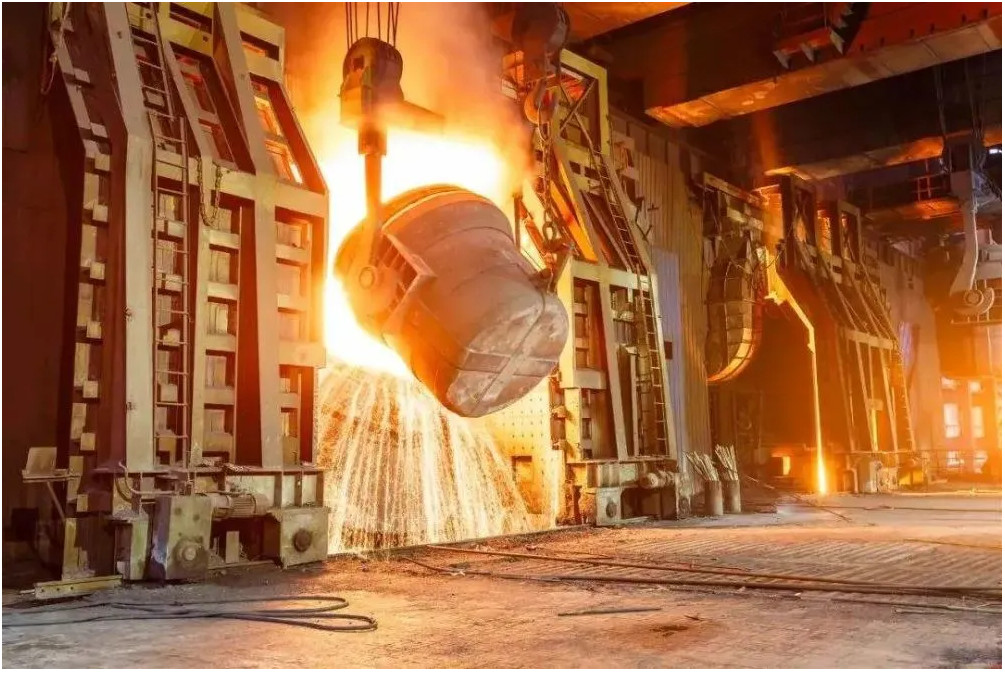 2023 China Chinese Iron and steel industrial reform in 2023
  China national steel production in May 2023
 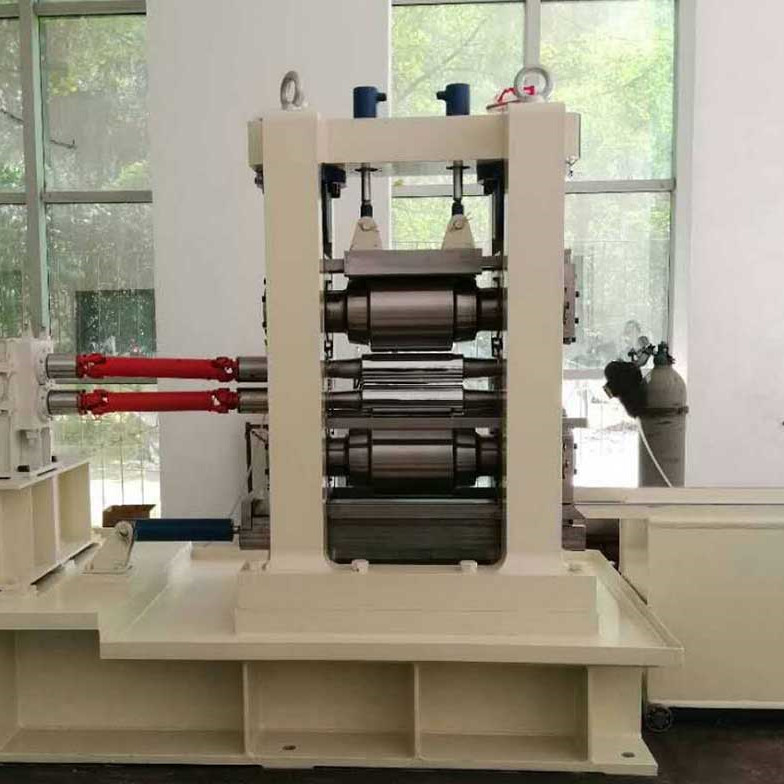 GLIMPSE 4 HIGH COLD ROLLING MILL DATA SHEET
 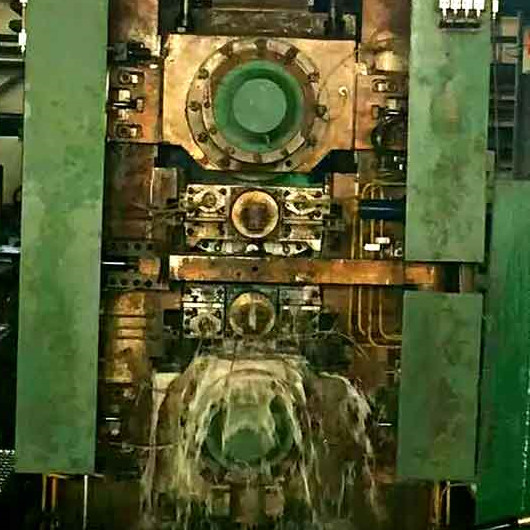 Application comparison between 6-High mill and 18-High mill on high strength steel
 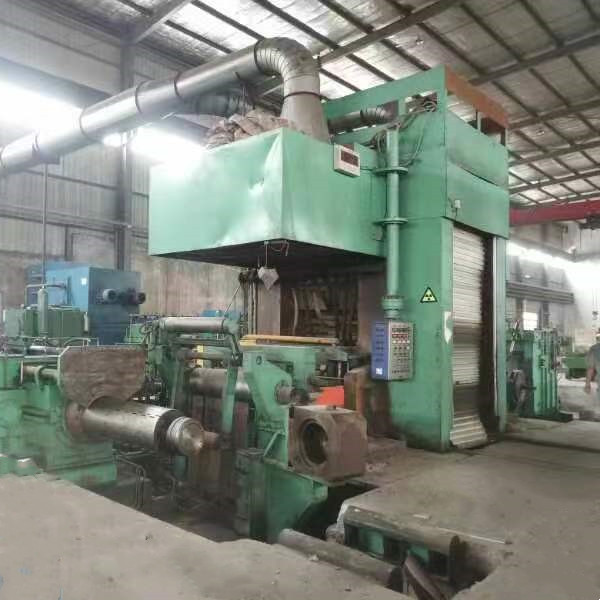 GLIMPSE HC 6 HIGH COLD ROLLING MILL DATA SHEET
  The classification of roll materials
  Requirements of cold rolling flat products
  GLIMPSE awarded as a high-quality Chinese supplier of high-quality rolling mill
  The principle and advantages of CVC rolling mill
  What is cold rolling mill?