
Global Steel Demand Stabilizes in 2026: What Opportunities Lie Ahead for Used Steel Equipment?
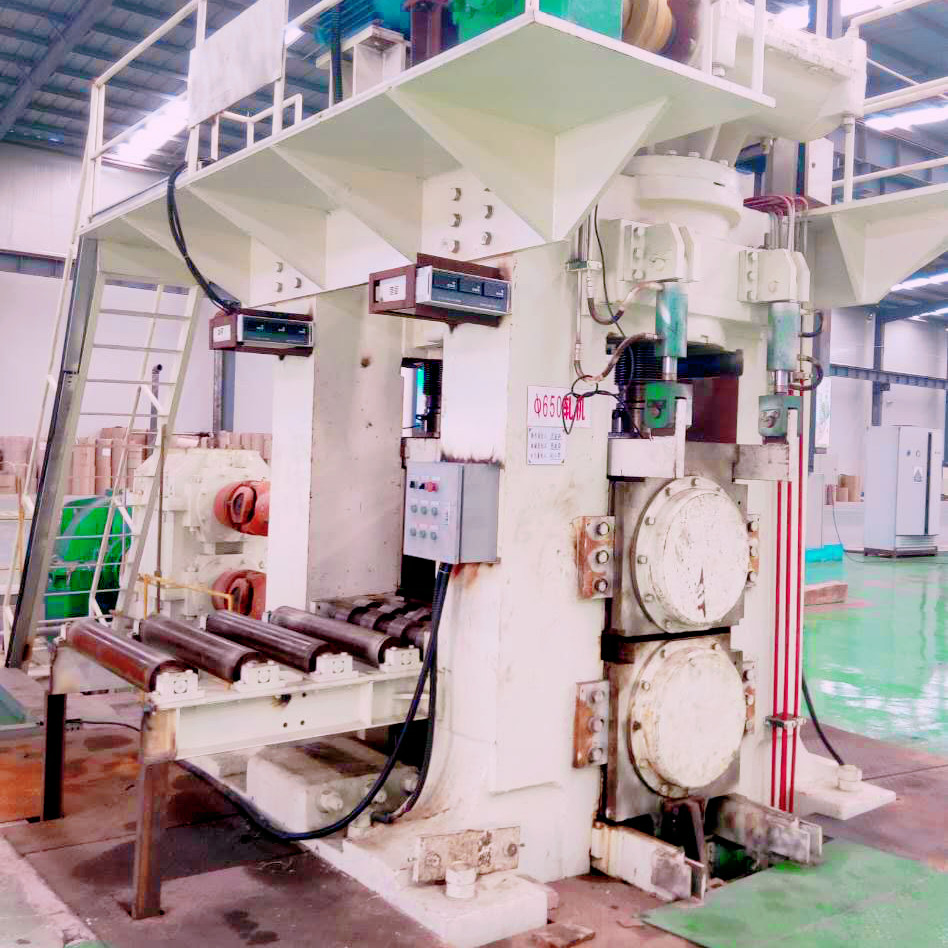
1. Global Steel Demand Remains Stable in 2026
The global steel industry is experiencing significant market adjustments in 2026. Despite economic uncertainty, energy costs, and regional conflicts, global steel demand is expected to remain relatively stable.
According to the latest Short Range Outlook released by the World Steel Association (worldsteel) on October 12, 2026, global steel demand is forecast to remain essentially unchanged at approximately 1.722 billion tonnes in 2026.
In 2027, global steel demand is expected to increase by 1.7%, reaching approximately 1.752 billion tonnes.
Although the recovery is slower than previously expected, several regional steel markets continue to show growth potential.
As steel manufacturers focus on investment costs, production efficiency, and equipment utilization, used steel equipment and second-hand steel production lines may become attractive alternatives for certain projects.
2. Growing Steel Demand in India and Southeast Asia
While global steel demand remains stable, market conditions vary significantly across different regions.
India continues to be one of the fastest-growing major steel markets.
According to worldsteel, India's steel demand is expected to increase by 7.9% in 2026 and 8.0% in 2027.
This growth is mainly supported by infrastructure construction, manufacturing expansion, real estate investment, and renewable energy projects.
Meanwhile, Southeast Asia continues to demonstrate positive market potential.
Steel demand in the ASEAN-5 economies is forecast to grow by 5.2% in 2026, with Vietnam showing particularly strong growth.
For steel manufacturers planning to expand production capacity, building new facilities or upgrading existing production lines often requires significant investment.
Under these circumstances, purchasing used hot rolling mills, used cold rolling mills, and other second-hand steel processing equipment may help companies manage their initial investment costs.
Suitable used equipment may also provide greater flexibility for small and medium-sized steel manufacturers in developing markets.
3. Why Used Steel Equipment Is Worth Considering
In today's competitive steel market, cost control and investment efficiency remain important priorities for manufacturers.
Compared with purchasing new steel production machinery, used steel equipment may offer several potential advantages.
Lower Initial Investment Costs
New steel production lines generally require substantial equipment procurement and manufacturing costs.
Used rolling mills and second-hand steel processing equipment typically have lower initial purchase prices than comparable new machinery.
However, buyers should also consider refurbishment, dismantling, transportation, installation, and commissioning expenses.
Potentially Shorter Procurement Time
New steel production lines usually require several stages, including engineering design, manufacturing, testing, and delivery.
Some used steel equipment is already available for inspection and dismantling, which may shorten the procurement process.
Actual delivery times depend on equipment condition, dismantling requirements, international shipping, and reinstallation arrangements.
Opportunities for Equipment Upgrades
Some used rolling mills can be refurbished or upgraded with improved electrical systems, automation controls, and other technical components.
For manufacturers with limited investment budgets, equipment refurbishment and modernization may provide a practical solution for improving production capabilities.
4. Types of Used Steel Equipment Worth Considering
Different types of second-hand steel equipment can meet different production requirements.
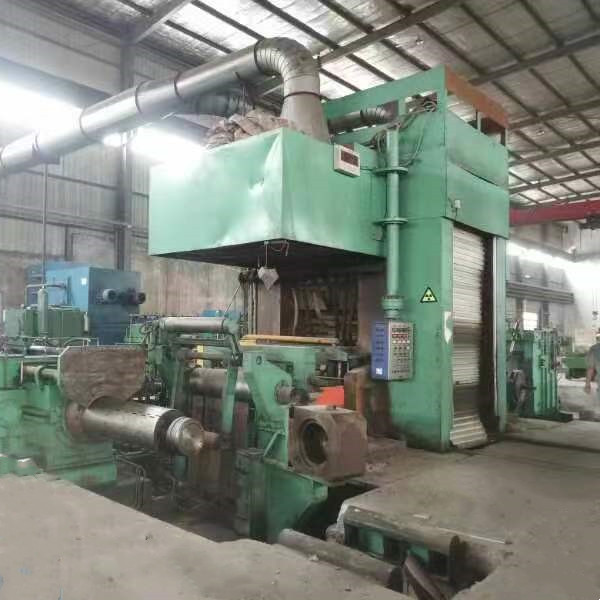
Used Hot Rolling Mills
Hot rolling mills are widely used to produce hot-rolled steel coils, plates, and other steel products.
For manufacturers planning to expand hot-rolled steel production, a suitable used hot rolling mill may provide an alternative investment option.
Used Cold Rolling Mills
Cold rolling mills are designed to reduce steel strip thickness while improving dimensional accuracy and surface quality.
Common types include 4-high cold rolling mills, 6-high cold rolling mills, and reversing cold rolling mills.
Manufacturers should select equipment based on incoming material specifications, finished product thickness, strip width, and required production capacity.
Used Galvanizing Lines
Galvanizing lines apply protective zinc coatings to steel products to improve corrosion resistance.
For companies planning to manufacture galvanized steel coils, used galvanizing lines may help reduce initial equipment investment costs.
Used Color Coating Lines
Color coating lines are used to produce pre-painted steel coils for construction, household appliances, and industrial applications.
Second-hand color coating lines may provide another equipment investment option for manufacturers entering or expanding the coated steel market.
5. Important Factors When Purchasing Used Steel Equipment
Although used steel equipment may offer cost advantages, its actual technical condition plays an important role in determining investment value.
Before purchasing a used rolling mill or steel production line, buyers should carefully evaluate several factors.
Equipment Specifications
Review production capacity, rolling width, product thickness, and applicable steel grades.
Equipment Condition
Inspect major mechanical components, motors, gearboxes, and electrical control systems.
Equipment Age and Maintenance History
Check the manufacturing year, operating records, and maintenance history.
Technical Documentation
Confirm the availability of equipment drawings, operation manuals, and maintenance records.
Total Project Costs
Consider equipment purchasing, dismantling, transportation, installation, and commissioning expenses.
A comprehensive technical and commercial evaluation can help manufacturers reduce investment risks and make more informed purchasing decisions.
6. Investment Considerations in a Changing Steel Market
In addition to changing demand, the global steel industry continues to face challenges related to excess production capacity.
According to the OECD Steel Outlook 2026, global excess steelmaking capacity could reach approximately 745 million tonnes by 2028.
This situation highlights the importance of investment efficiency, equipment utilization, and long-term operating costs.
Against this background, suitable used steel equipment may offer a flexible investment solution for certain steel manufacturers.
However, second-hand equipment is not suitable for every project.
Manufacturers should evaluate local steel market demand, product requirements, technical specifications, and available investment budgets before making purchasing decisions.
7. Conclusion
According to the latest World Steel Association forecast, global steel demand is expected to remain stable in 2026 before returning to moderate growth in 2027.
Growing steel demand in emerging markets such as India and Southeast Asia provides positive signals for the industry's future development.
At the same time, global excess capacity and investment cost pressures are encouraging steel manufacturers to pay greater attention to equipment purchasing decisions.
For companies planning to expand production capacity or modernize existing facilities, used hot rolling mills, used cold rolling mills, used galvanizing lines, and used color coating lines may provide cost-effective alternatives.
Before making an investment decision, a careful assessment of equipment condition, production capacity, and total project costs can help manufacturers reduce risks and support long-term business development.
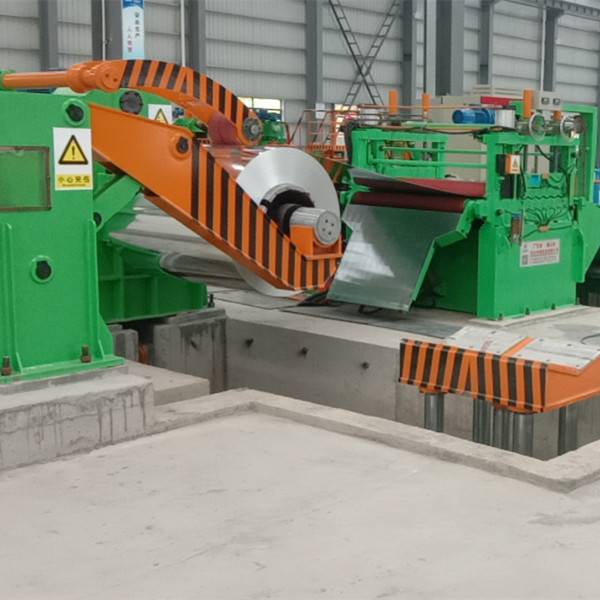 Leveler and Cut-to-Length Lines Move Toward Higher Precision as High-Strength Steel Processing Drives Upgrades
 Cold Mill Rolls: Technology Upgrades Support Higher Precision and Rolling Performance
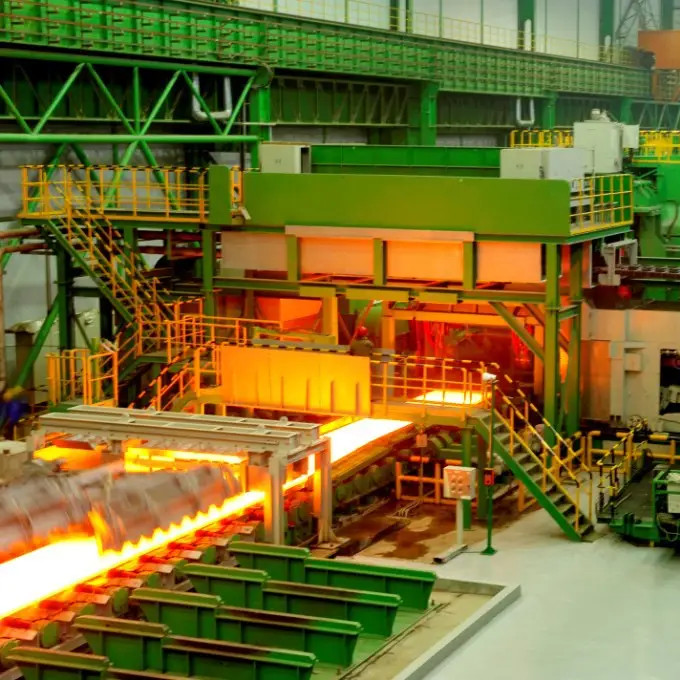 Domestic Hot-Rolled Coil Transactions Maintain Year-on-Year Growth, Showing Resilient Market Demand
 Green Steel Transition Accelerates the Construction of Next-Generation Pickling Lines
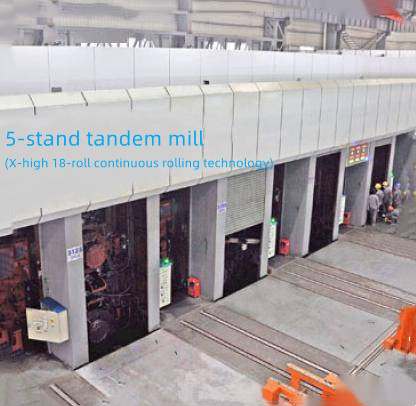 Global Steel Producers Continue Investing in New Cold Rolling Mills
 Global Steel Producers Continue Expanding Cold Rolling Capacity
 Global Skin Pass Mill Market Reaches $513 Million in 2025, Projected to Exceed $623 Million by 2032
 The Critical Role of Skin Pass Mills in Cold Rolled Strip Production
 How Roll Configuration Affects Product Quality in Hot Rolling Mills
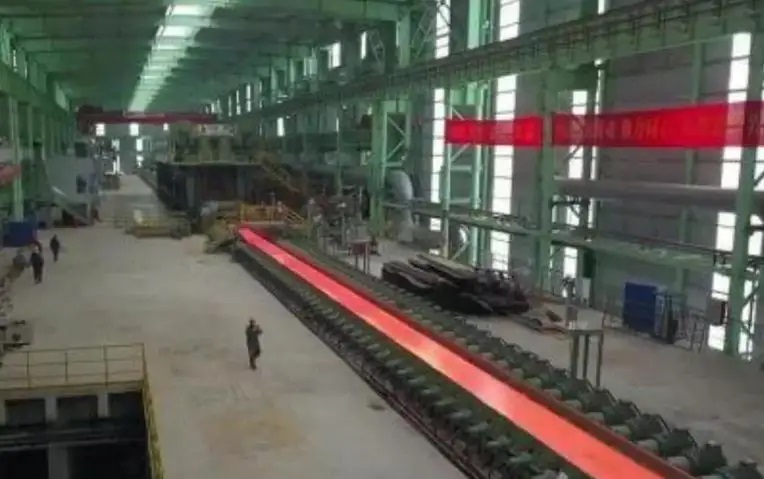 July 2023 chinese steel products import and export express
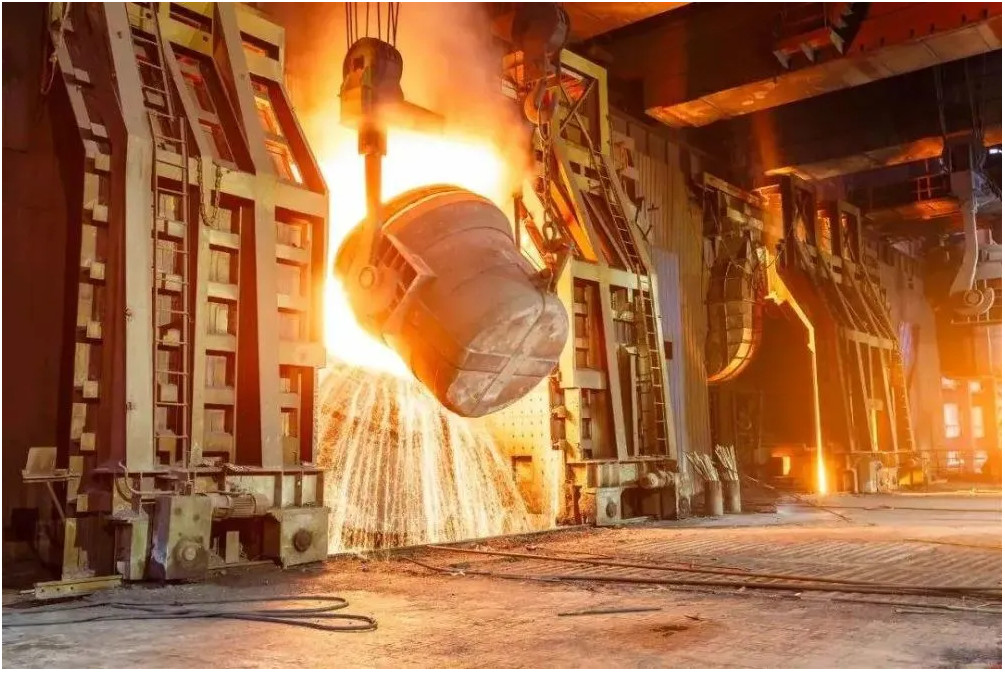 2023 China Chinese Iron and steel industrial reform in 2023
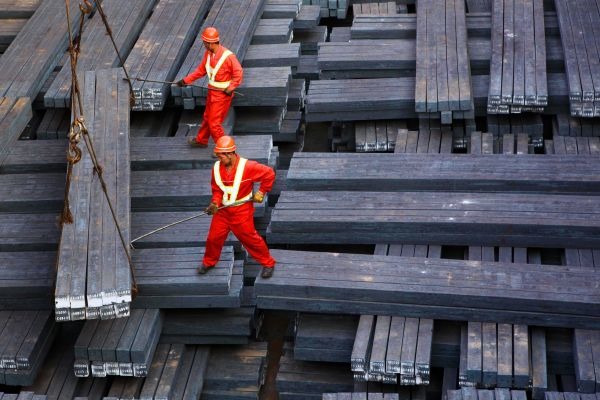 China national steel production in May 2023
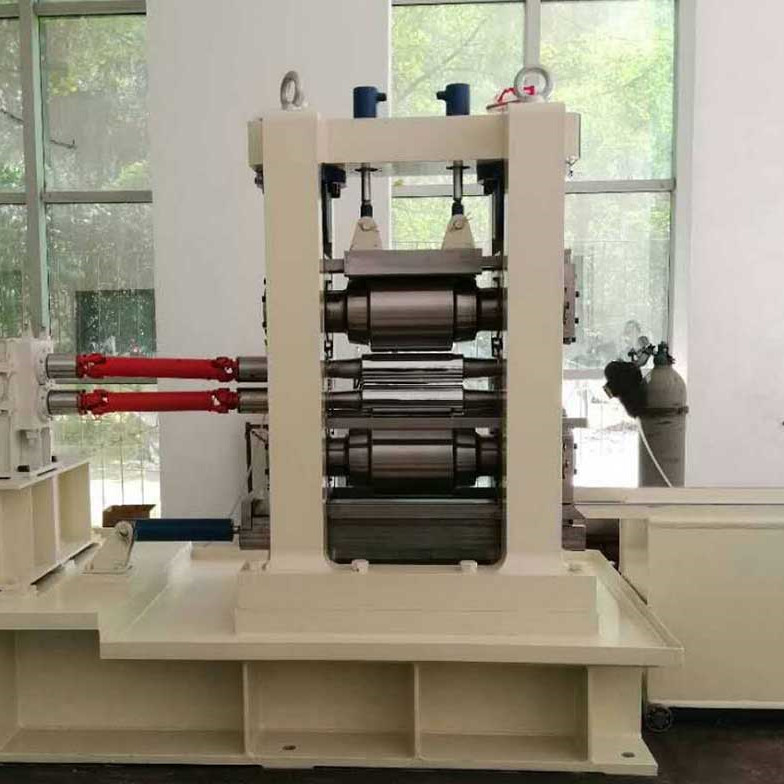 GLIMPSE 4 HIGH COLD ROLLING MILL DATA SHEET
 Application comparison between 6-High mill and 18-High mill on high strength steel
 GLIMPSE HC 6 HIGH COLD ROLLING MILL DATA SHEET
 The classification of roll materials
 Requirements of cold rolling flat products
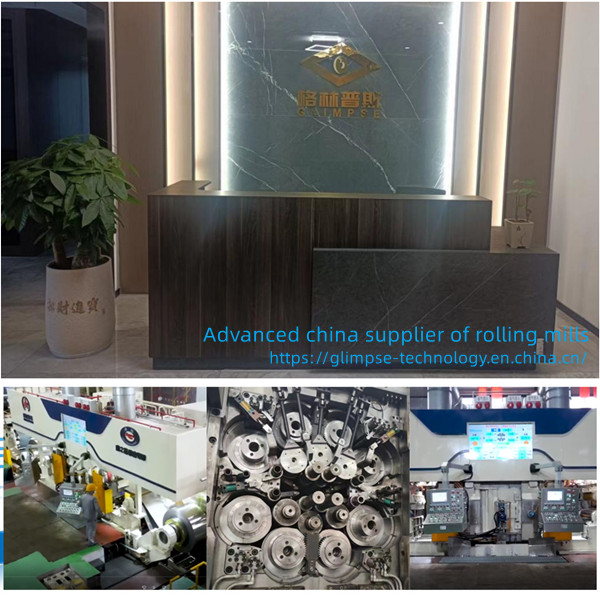 GLIMPSE awarded as a high-quality Chinese supplier of high-quality rolling mill
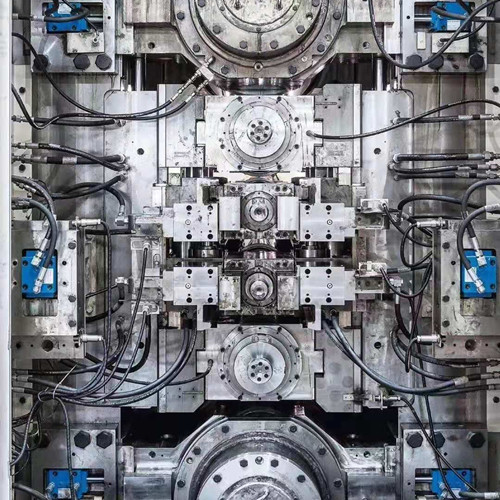 The principle and advantages of CVC rolling mill
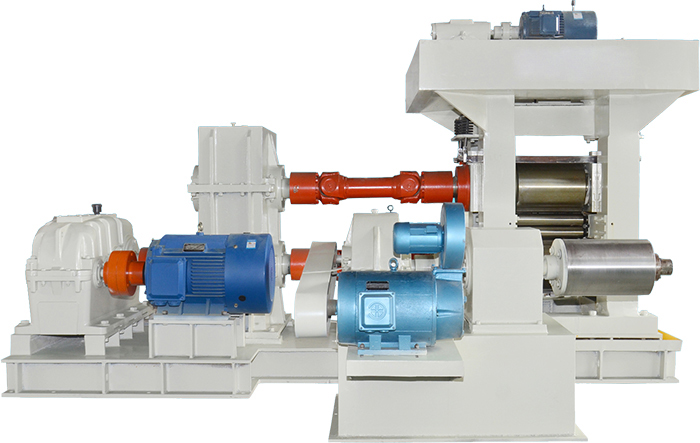 What is cold rolling mill?