
The principle and advantages of CVC rolling mill
author: Glimpse
2023-01-06

The principle and advantages of CVC rolling mill
This article can answer question on what is CVC rolling mill. CVC technology is generally called continuous variable crown control technology. It was originally applied to the two-roller rolling mill and was successful. In recent years, it has been commonly used on the four-roller rolling mill and six-roller mill, and has achieved remarkable results.
1. CVC rolling mill working principle
The work rolls and intermediate rolls are processed to have S shape surfaces. The big and small ends of the two rolls are configured in a 180 ° direction on the rolling mill. They can move in the opposite axial direction to form positive and negative roll gap crown. Because the axial movement distance is stepless, the control effect of continuous variable crown can be formed. CVC system, hydraulic screwdown, hydraulic roll bending and roll sectional cooling constitute a closed-loop system for strip flatness control, and the effect is very ideal.

As shown in Figure 1 "a", when the CVC work roll is not moved, the height of the roll gap is consistent when the entire roller is consistent. Because the wideness of the strip is relatively large, although there is a slight S shape in the roll gap, it will be very light and the straightness of the strip can be detected. At this time, the straightness of the strip's straightness is the same as the "b" flat roller in the figure. If the upper and lower rolls move the axial movement as shown in the "c" in the figure, the roll gap will generate the positive convexity of "d" as shown in the figure. The larger the movement itinerary is, the larger the positive convexity is. Conversely, the axial movement of the axial movement in the figure will generate the negative convexity like "f" as shown in the figure, and the convexity is proportional to the displacement. This is the basic principle of continuous variable crown control of the CVC rolling mill.
Although the inverted S-shaped rolls will produce a roll diameter difference in the length direction of the roll body, the difference is generally between 0.3 mm and 0.8 mm. This difference results in a linear speed difference of 0.05%~0.4% for the roll, as shown in Figure 2. However, this speed difference is negligible compared with the speed difference between rolls and rolled pieces. Generally speaking, the speed difference between roll and workpiece in the forward slip zone can reach 5%~40%.

CVC 6 Hi rolling mill, general support rolls and work rolls are flat rolls, and the upper and lower middle roll surfaces are 180 ° S-shaped inverted, which can realize the axial movement of the reverse direction. However, there are also work rolls using CVC type rolls. At present, the development of CVC technology is becoming more and more improved. According to statistics, as of 1988, 72 sets of various CVC hot and cold rolling machines have been built around the world.
2. Six-roller CVC rolling machine structure
At present, the typical CVC rolling machine is CVC4 and CVC6. CVC6 is developed on the basis of the CVC4 rolling machine. Recently, cold-rolled wide strip has basically adopted CVC and UCM rolling machines, and most of them use the CVC6 rolling machine.
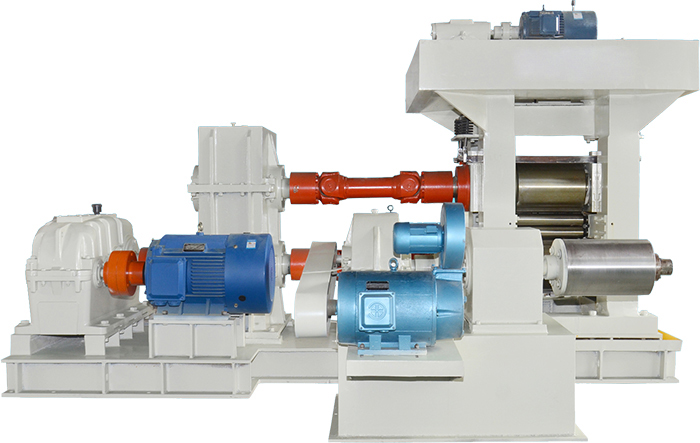
The CVC rolling machine is mainly composed of stands, support rolls, intermediate rolls, work rolls, CVC horizontal movement mechanisms, main transmission devices, press down mechanisms, rolling line adjustment devices, roll bending devices and other rolling machine accessories.
CVC roll type: The fundamental difference between the CVC rolling machine and the HC rolling machine and the UCM rolling machine is that the roll-type grinding curve is different. Generally only work roll or middle roll has grinding curve, but if the "S" type of roller diameter difference △ D> 1.2 mm, the support roll should also be grinded into the corresponding "S" curve. Figure 3 shows the CVC roll grinding curve, Figure 4 is the corresponding CVC roll shape.

Figure 5 shows the geometric shape of CVC roll set of a rolling mill. The crown change caused by the axial movement distance of CVC ± 100 mm is equivalent to 100~500 μ M traditional roll grinding crown. To achieve this, the radius difference of the S-shaped roll designed is only 273 μ m. The maximum linear velocity difference between the upper and lower rolls caused by this is 0.076%. The work roll, intermediate roll and backup roll in CVC mill can undertake different tasks, such as controlling the sectional shape, flatness, edge thinning, roll wear and surface quality of the strip. Of course, the realization of these purposes is not completely independent, but the result of the optimal control of CVC roll shape, CVC transverse roll bending device, sectional cooling system, etc.
3. Conclusion
In recent years, after the production practice of multiple CVC rolling machines, it proves that the CVC technology has the following advantages:
1) it is highly adaptable to the prescribed rolling parameters, because the section of the roller seam can be continuously adjusted;
2) The reduction can be very large due to the preferred working roll;
3) Good straightness and surface quality can be achieved;
4) Side reduction is significantly improved;
5) Rolling cost is reduced due to decrease of roll stock.
4. Glimpse Technology’ rolling mills
Glimpse technology has the complete spectrum of cold rolling technologies in its product and service portfolio. Glimpse technology with its team of experienced rolling specialists is able to provide individual rolling solutions for steel producers with CVC, UCM and HC rolling technologies as per different product mix and quality requirement.
In its product portfolio, glimpse technology has 6Hi mills or 4Hi mills with CVC, UCM or HC for various solutions to your challenge.
Keywords: CVC rolling mill, CVC rolling machine, six-roller CVC rolling mill, six high CVC rolling mill
This article can answer question on what is CVC rolling mill. CVC technology is generally called continuous variable crown control technology. It was originally applied to the two-roller rolling mill and was successful. In recent years, it has been commonly used on the four-roller rolling mill and six-roller mill, and has achieved remarkable results.
1. CVC rolling mill working principle
The work rolls and intermediate rolls are processed to have S shape surfaces. The big and small ends of the two rolls are configured in a 180 ° direction on the rolling mill. They can move in the opposite axial direction to form positive and negative roll gap crown. Because the axial movement distance is stepless, the control effect of continuous variable crown can be formed. CVC system, hydraulic screwdown, hydraulic roll bending and roll sectional cooling constitute a closed-loop system for strip flatness control, and the effect is very ideal.
As shown in Figure 1 "a", when the CVC work roll is not moved, the height of the roll gap is consistent when the entire roller is consistent. Because the wideness of the strip is relatively large, although there is a slight S shape in the roll gap, it will be very light and the straightness of the strip can be detected. At this time, the straightness of the strip's straightness is the same as the "b" flat roller in the figure. If the upper and lower rolls move the axial movement as shown in the "c" in the figure, the roll gap will generate the positive convexity of "d" as shown in the figure. The larger the movement itinerary is, the larger the positive convexity is. Conversely, the axial movement of the axial movement in the figure will generate the negative convexity like "f" as shown in the figure, and the convexity is proportional to the displacement. This is the basic principle of continuous variable crown control of the CVC rolling mill.
Although the inverted S-shaped rolls will produce a roll diameter difference in the length direction of the roll body, the difference is generally between 0.3 mm and 0.8 mm. This difference results in a linear speed difference of 0.05%~0.4% for the roll, as shown in Figure 2. However, this speed difference is negligible compared with the speed difference between rolls and rolled pieces. Generally speaking, the speed difference between roll and workpiece in the forward slip zone can reach 5%~40%.
CVC 6 Hi rolling mill, general support rolls and work rolls are flat rolls, and the upper and lower middle roll surfaces are 180 ° S-shaped inverted, which can realize the axial movement of the reverse direction. However, there are also work rolls using CVC type rolls. At present, the development of CVC technology is becoming more and more improved. According to statistics, as of 1988, 72 sets of various CVC hot and cold rolling machines have been built around the world.
2. Six-roller CVC rolling machine structure
At present, the typical CVC rolling machine is CVC4 and CVC6. CVC6 is developed on the basis of the CVC4 rolling machine. Recently, cold-rolled wide strip has basically adopted CVC and UCM rolling machines, and most of them use the CVC6 rolling machine.
The CVC rolling machine is mainly composed of stands, support rolls, intermediate rolls, work rolls, CVC horizontal movement mechanisms, main transmission devices, press down mechanisms, rolling line adjustment devices, roll bending devices and other rolling machine accessories.
CVC roll type: The fundamental difference between the CVC rolling machine and the HC rolling machine and the UCM rolling machine is that the roll-type grinding curve is different. Generally only work roll or middle roll has grinding curve, but if the "S" type of roller diameter difference △ D> 1.2 mm, the support roll should also be grinded into the corresponding "S" curve. Figure 3 shows the CVC roll grinding curve, Figure 4 is the corresponding CVC roll shape.
Figure 5 shows the geometric shape of CVC roll set of a rolling mill. The crown change caused by the axial movement distance of CVC ± 100 mm is equivalent to 100~500 μ M traditional roll grinding crown. To achieve this, the radius difference of the S-shaped roll designed is only 273 μ m. The maximum linear velocity difference between the upper and lower rolls caused by this is 0.076%. The work roll, intermediate roll and backup roll in CVC mill can undertake different tasks, such as controlling the sectional shape, flatness, edge thinning, roll wear and surface quality of the strip. Of course, the realization of these purposes is not completely independent, but the result of the optimal control of CVC roll shape, CVC transverse roll bending device, sectional cooling system, etc.
3. Conclusion
In recent years, after the production practice of multiple CVC rolling machines, it proves that the CVC technology has the following advantages:
1) it is highly adaptable to the prescribed rolling parameters, because the section of the roller seam can be continuously adjusted;
2) The reduction can be very large due to the preferred working roll;
3) Good straightness and surface quality can be achieved;
4) Side reduction is significantly improved;
5) Rolling cost is reduced due to decrease of roll stock.
4. Glimpse Technology’ rolling mills
Glimpse technology has the complete spectrum of cold rolling technologies in its product and service portfolio. Glimpse technology with its team of experienced rolling specialists is able to provide individual rolling solutions for steel producers with CVC, UCM and HC rolling technologies as per different product mix and quality requirement.
In its product portfolio, glimpse technology has 6Hi mills or 4Hi mills with CVC, UCM or HC for various solutions to your challenge.
Keywords: CVC rolling mill, CVC rolling machine, six-roller CVC rolling mill, six high CVC rolling mill
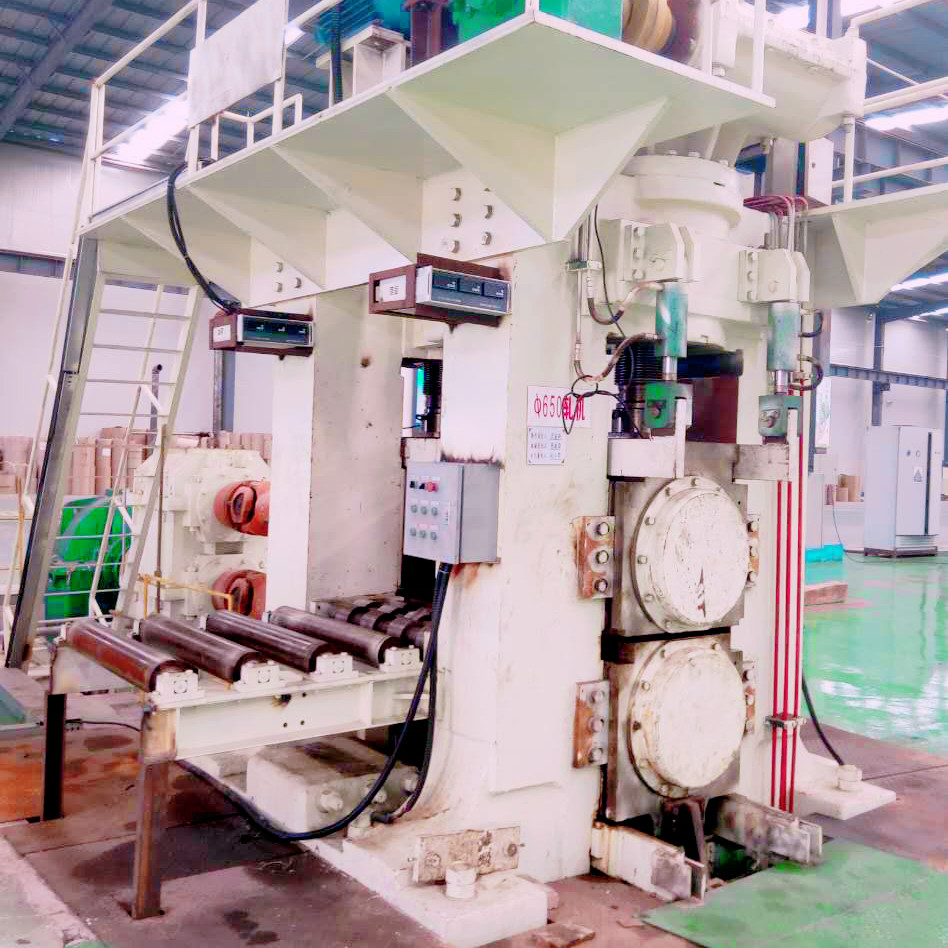 Global Steel Demand Stabilizes in 2026: What Opportunities Lie Ahead for Used Steel Equipment?
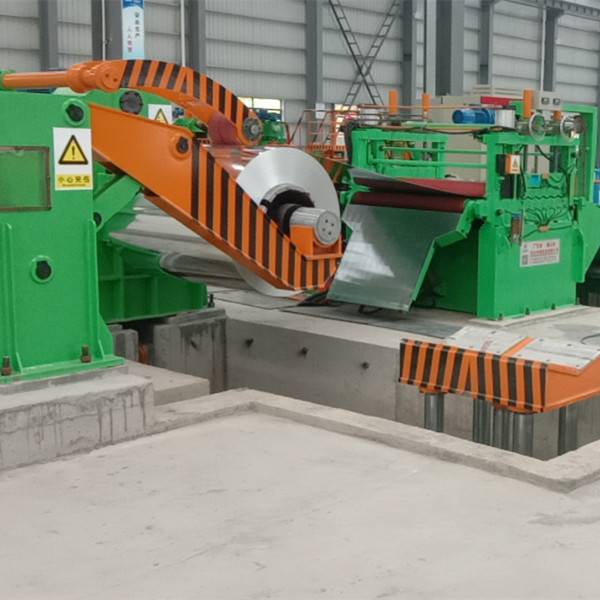 Leveler and Cut-to-Length Lines Move Toward Higher Precision as High-Strength Steel Processing Drives Upgrades
 Cold Mill Rolls: Technology Upgrades Support Higher Precision and Rolling Performance
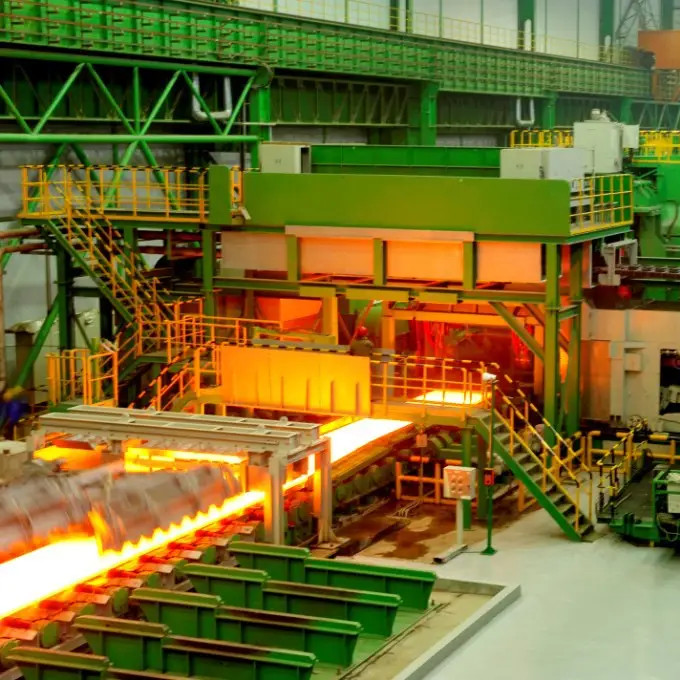 Domestic Hot-Rolled Coil Transactions Maintain Year-on-Year Growth, Showing Resilient Market Demand
 Green Steel Transition Accelerates the Construction of Next-Generation Pickling Lines
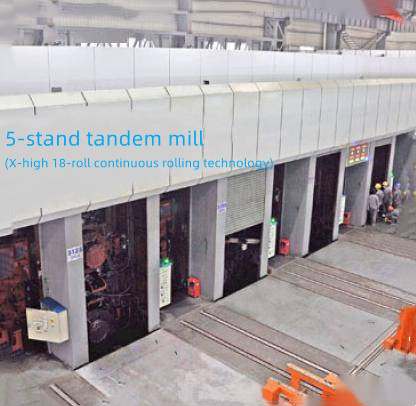 Global Steel Producers Continue Investing in New Cold Rolling Mills
 Global Steel Producers Continue Expanding Cold Rolling Capacity
 Global Skin Pass Mill Market Reaches $513 Million in 2025, Projected to Exceed $623 Million by 2032
 The Critical Role of Skin Pass Mills in Cold Rolled Strip Production
 How Roll Configuration Affects Product Quality in Hot Rolling Mills
 July 2023 chinese steel products import and export express
 2023 China Chinese Iron and steel industrial reform in 2023
 China national steel production in May 2023
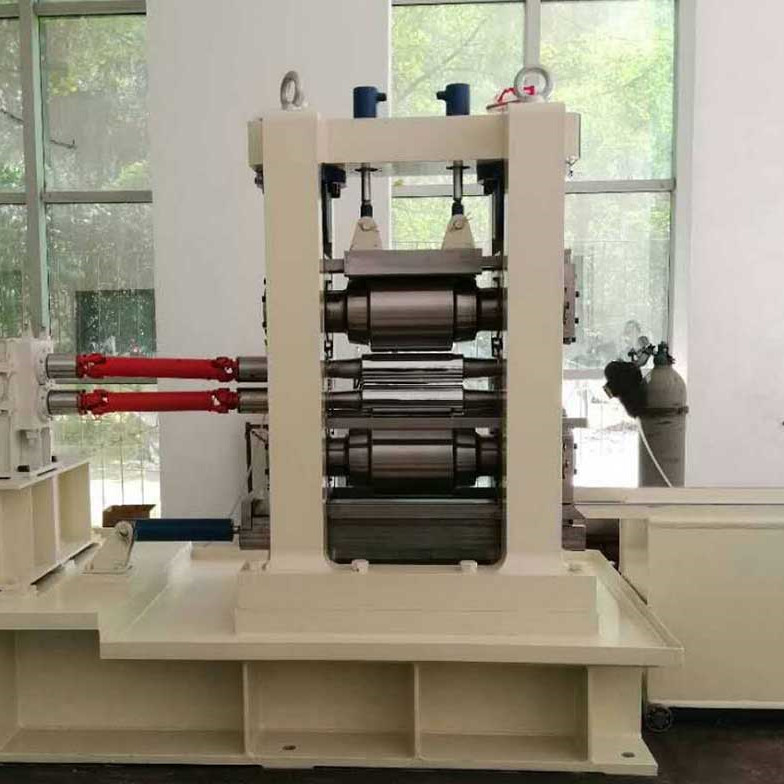 GLIMPSE 4 HIGH COLD ROLLING MILL DATA SHEET
 Application comparison between 6-High mill and 18-High mill on high strength steel
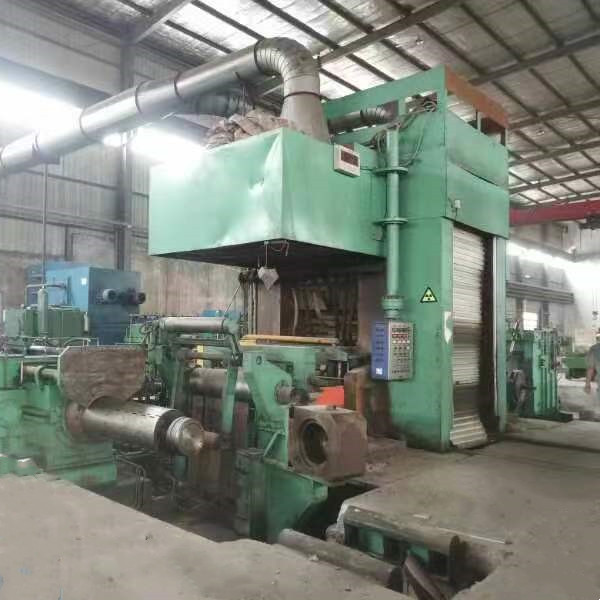 GLIMPSE HC 6 HIGH COLD ROLLING MILL DATA SHEET
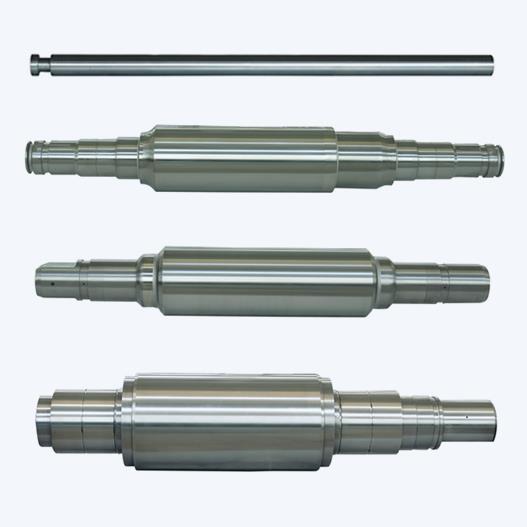 The classification of roll materials
 Requirements of cold rolling flat products
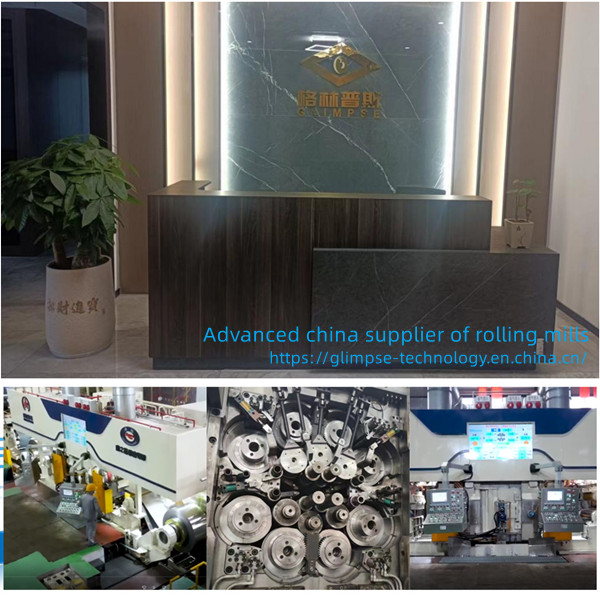 GLIMPSE awarded as a high-quality Chinese supplier of high-quality rolling mill
 What is cold rolling mill?