
Why is there a difference between hot rolled steel and cold rolled steel?
author: Glimpse technology
2022-11-15
Why is there a difference between hot rolled steel and cold rolled steel?
Common cold and hot rolling of steel:
Wire: 5.5-40 mm in diameter, coiled, all hot rolled. It belongs to cold-drawn material after cold-drawn. Round steel: In addition to glossy materials with precise dimensions, they are usually hot rolled and forged (with forging marks on the surface). Strip steel: hot rolled and cold rolled, cold rolled products are generally thinner. Steel plate: cold rolled plate is generally thinner, such as automobile plate; There are many hot-rolled medium and heavy plates with similar thickness as cold-rolled ones and their appearance is obviously different. Angle: All hot rolled. Steel pipe: both hot-rolled and cold-drawn by welding. Channel steel and H-section steel: hot rolled. Reinforcement: Hot rolled steel.
Hot-rolling
By definition, ingots or billets are difficult to deform and process at room temperature. Generally, they are heated to 1100-1250 C for rolling. This rolling process is called hot rolling. The termination temperature of hot rolling is generally 800-900 C, and then it is generally cooled in air. Therefore, the hot rolling state corresponds to normalizing treatment. Most steel is rolled by hot rolling. Due to the high temperature, a layer of iron oxide scale is formed on the surface of hot rolled steel delivered, which has a certain corrosion resistance and can be stored in the open air. However, the surface of hot-rolled steel is rough and its size fluctuates greatly. Therefore, steel with smooth surface, precise size and good mechanical properties is required. The hot-rolled semi-finished product or finished product should be used as raw material for cold-rolling production. Advantages: fast forming speed, high yield and no damage to the coating can be made into a variety of cross-section forms to meet the needs of service conditions; Cold rolling can cause very large plastic deformation of steel, thus improving the yield point of steel. Disadvantages: 1. Although there is no thermoplastic compression during the forming process, there are still residual stresses in the section, which will inevitably affect the overall and local buckling characteristics of steel; 2. Cold rolled steel sections are generally open sections with a low free torsional stiffness. Torsion is easy to occur in bending, bending and torsion buckling are easy to occur in compression, and the torsion resistance is poor. 3. Cold rolled steel has a small wall thickness and is not thicker at the corner where the plate joins. It has a weak ability to withstand local concentrated loads.
cold rolling
Cold rolling refers to the rolling method of pressing steel with a roll and changing its shape at normal temperature. Although the process also warms the steel plate, it is still known as cold rolling. Specifically, hot rolled steel coils are used as raw materials for cold rolling and pressure processed after removing scale by acid pickling. The products are rolled coils. Generally, cold-rolled steel, such as galvanized and coloured steel plate, must be annealed, so its plasticity and elongation are also better. It is widely used in automobile, household appliances, hardware and other industries. Cold rolled plate surface has a certain degree of smoothness, which is mainly due to acid pickling. The surface finish of hot rolled strip generally can not reach the requirements, so hot rolled strip needs to be cold rolled, and the thickness of hot rolled strip is generally 1.0mm thinnest, cold rolled can reach 0.1mm. Hot rolling refers to rolling above the crystallization temperature point while cold rolling refers to rolling below the crystallization temperature point. The change of steel shape caused by cold rolling belongs to continuous cold deformation. The cold work hardening caused by this process results in the increase of strength, hardness and decrease of toughness and plasticity of rolled coil. For end use, cold rolling worsens stamping performance and products are suitable for simple deformed parts. Advantages: It can destroy the casting structure of steel ingot, refine the grain of steel and eliminate the defects of microstructures, so that the steel structure is compact and its mechanical properties are improved. This improvement is mainly reflected in the rolling direction, so that the steel is no longer isotropic to a certain extent; Bubbles, cracks and looseness formed during pouring can also be welded together at high temperatures and pressures. Disadvantages: 1. After hot rolling, non-metallic inclusions (mainly sulfides and oxides, as well as silicates) in steel are pressed into thin sheets, resulting in stratification. Layering greatly deteriorates the tensile properties of steel in the direction of thickness and may cause interlaminar tearing when the weld shrinks. Local strain induced by weld shrinkage is often times the strain at yield point, much larger than that caused by load. 2. Residual stress due to uneven cooling. Residual stress is internal self-balancing stress without external force. Hot rolled sections of various sections have such residual stress. The larger the section size of general sections, the greater the residual stress. Residual stress is self-phase equilibrium, but it has certain influence on the performance of steel members under external forces. Such as, it may have adverse effects on deformation, stability, fatigue resistance, etc.
Summary:
The main difference between cold rolling and hot rolling is the temperature of the rolling process. "Cold" is normal temperature and "hot" is high temperature. From the metallurgical point of view, the boundary between cold rolling and hot rolling should be distinguished by recrystallization temperature. That is, the rolling below recrystallization temperature is cold rolling and the rolling above recrystallization temperature is hot rolling. The recrystallization temperature of steel is 450-600 degrees Celsius. The main differences between hot-rolling and cold-rolling are as follows: 1. Appearance and surface quality: since cold plates are obtained after cold-rolling, and some surface finishing is also carried out during cold-rolling, the surface quality of cold plates is better than that of hot plates (e.g. surface roughness). Therefore, if there is a higher requirement for coating quality such as paint on product sequence, cold plates are generally selected. In addition, hot plates are divided into pickled plates and non-pickled plates. The surface of pickling plate is normal metallic colour because of pickling, but it is not cold rolled so the surface is not as high as the cold plate. Usually, the surface of pickling plate will have oxide layer, black layer or ferrous oxide layer. Generally speaking, it is like a fire and usually rusts if the storage environment is not good. 2. Performance: Generally speaking, the mechanical properties of hot plate and cold plate are not different in engineering. Although there is certain work hardening in cold rolling process of cold plate, (it needs to be treated differently if the mechanical properties are strictly required), the yield strength and surface hardness of cold plate are usually higher than that of hot plate. How to look at the degree of annealing of cold plate? But no matter how annealed the cold plate is stronger than the heat plate. 3. Forming properties of cold and hot plates are not very good, so the influencing factors of forming properties depend on the difference of surface quality. As surface quality is better than that of cold plates, cold plates usually have better forming effect than hot plates.
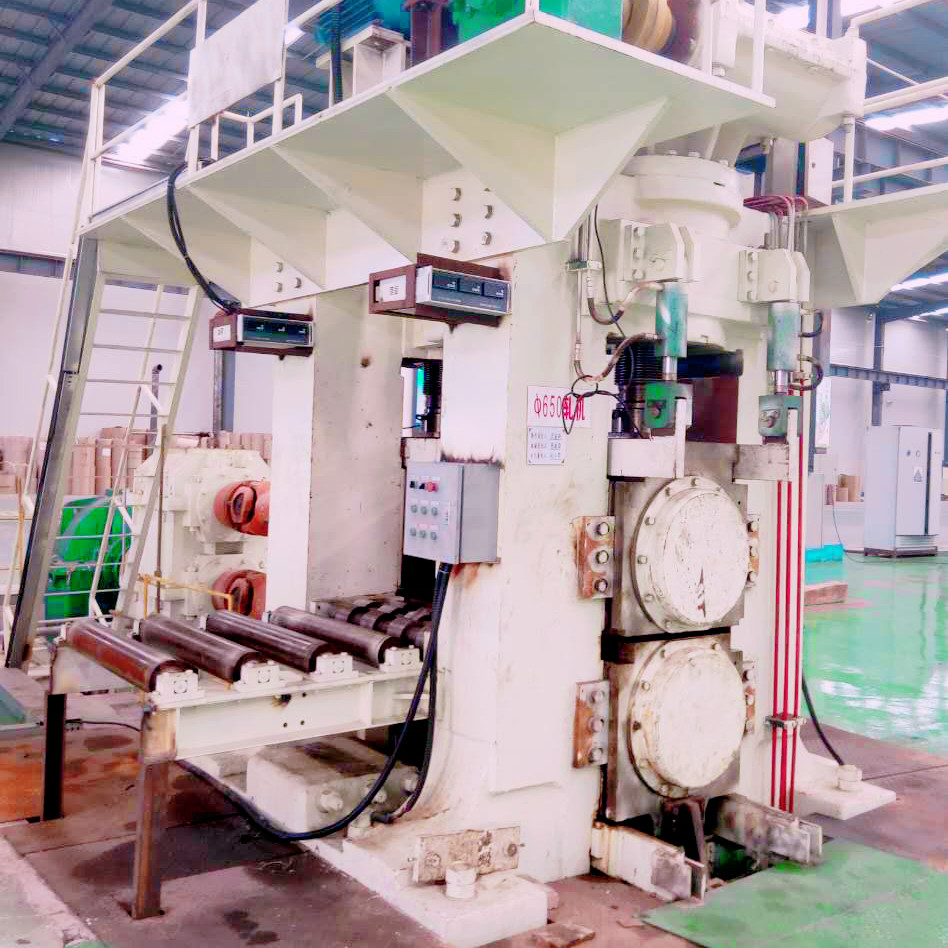 Global Steel Demand Stabilizes in 2026: What Opportunities Lie Ahead for Used Steel Equipment?
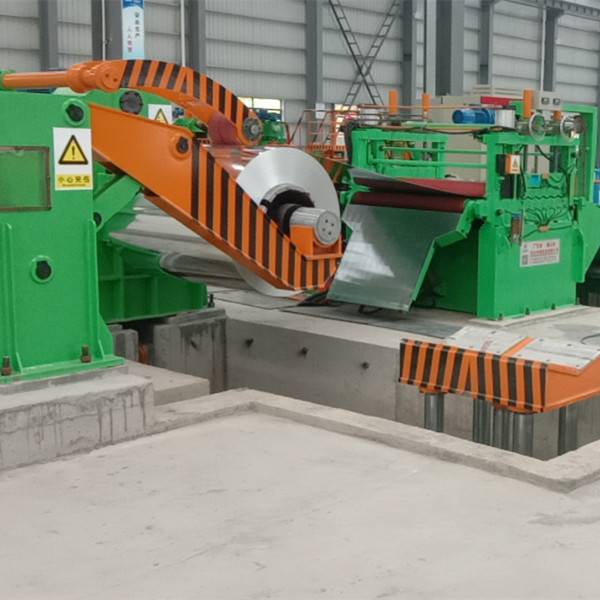 Leveler and Cut-to-Length Lines Move Toward Higher Precision as High-Strength Steel Processing Drives Upgrades
 Cold Mill Rolls: Technology Upgrades Support Higher Precision and Rolling Performance
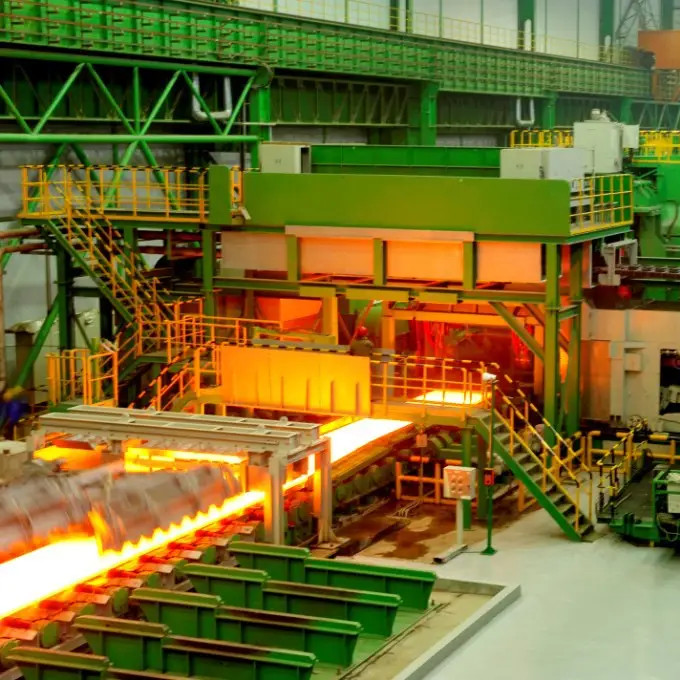 Domestic Hot-Rolled Coil Transactions Maintain Year-on-Year Growth, Showing Resilient Market Demand
 Green Steel Transition Accelerates the Construction of Next-Generation Pickling Lines
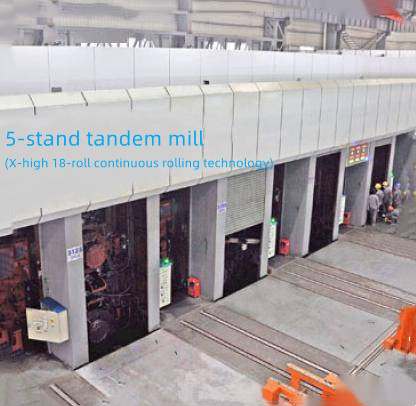 Global Steel Producers Continue Investing in New Cold Rolling Mills
 Global Steel Producers Continue Expanding Cold Rolling Capacity
 Global Skin Pass Mill Market Reaches $513 Million in 2025, Projected to Exceed $623 Million by 2032
 The Critical Role of Skin Pass Mills in Cold Rolled Strip Production
 How Roll Configuration Affects Product Quality in Hot Rolling Mills
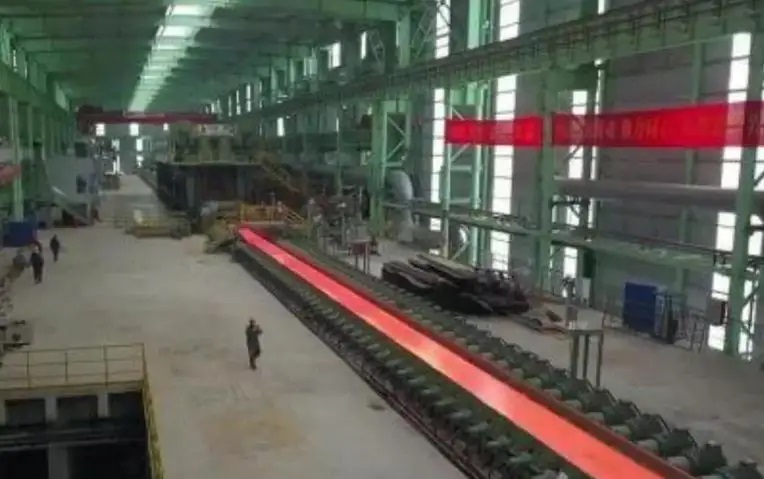 July 2023 chinese steel products import and export express
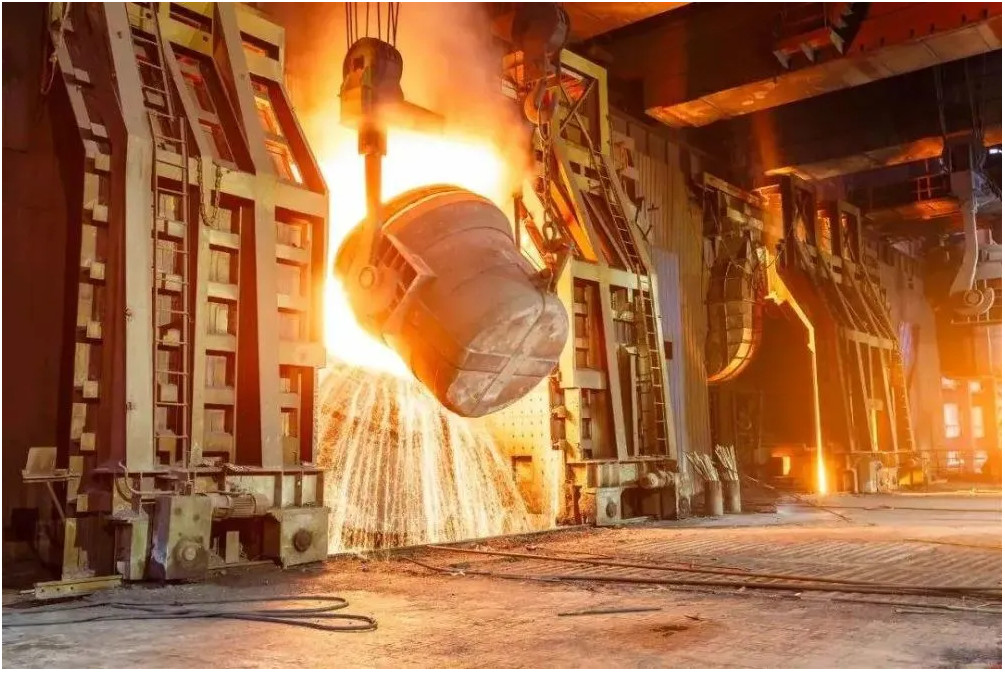 2023 China Chinese Iron and steel industrial reform in 2023
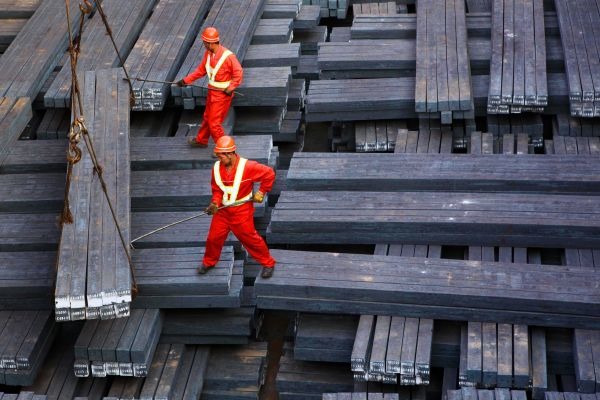 China national steel production in May 2023
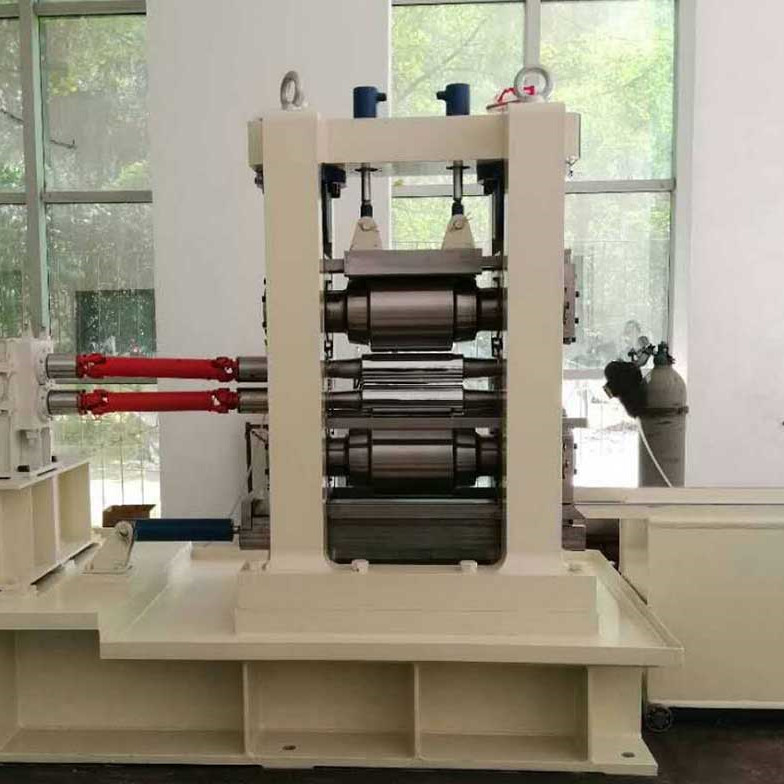 GLIMPSE 4 HIGH COLD ROLLING MILL DATA SHEET
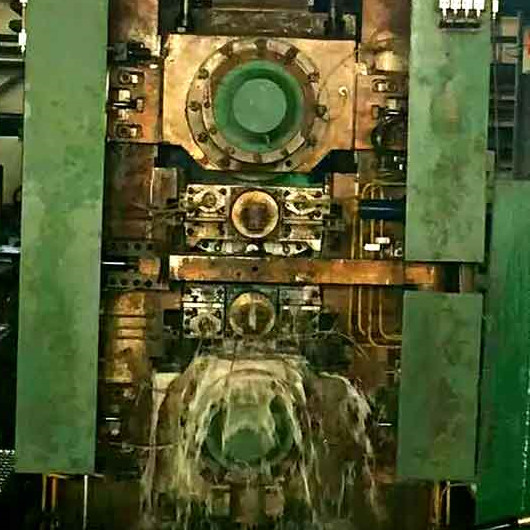 Application comparison between 6-High mill and 18-High mill on high strength steel
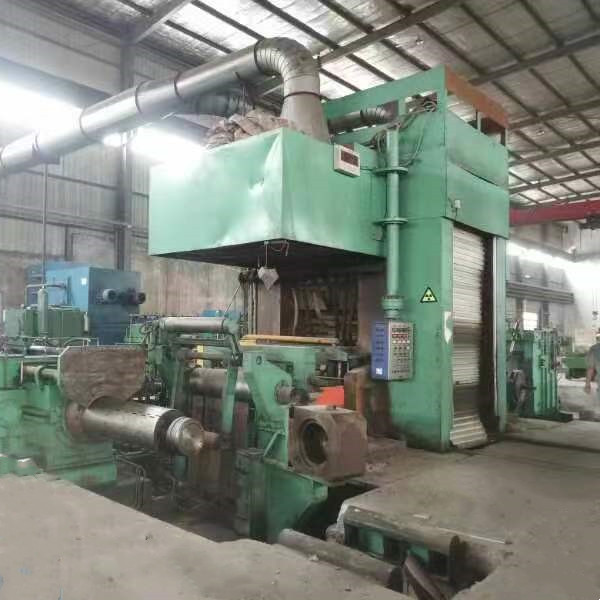 GLIMPSE HC 6 HIGH COLD ROLLING MILL DATA SHEET
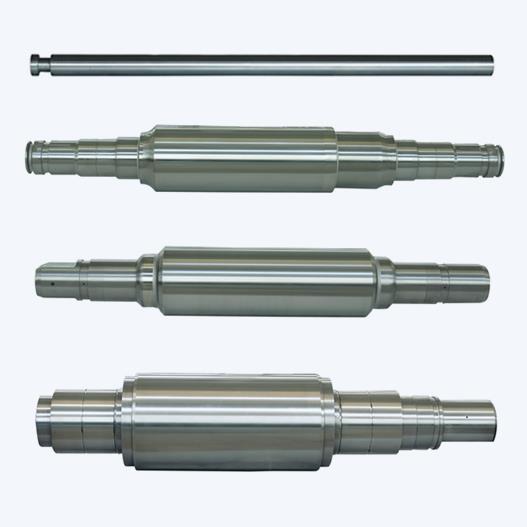 The classification of roll materials
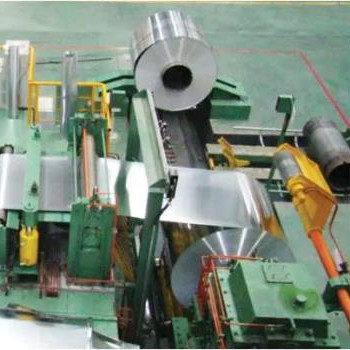 Requirements of cold rolling flat products
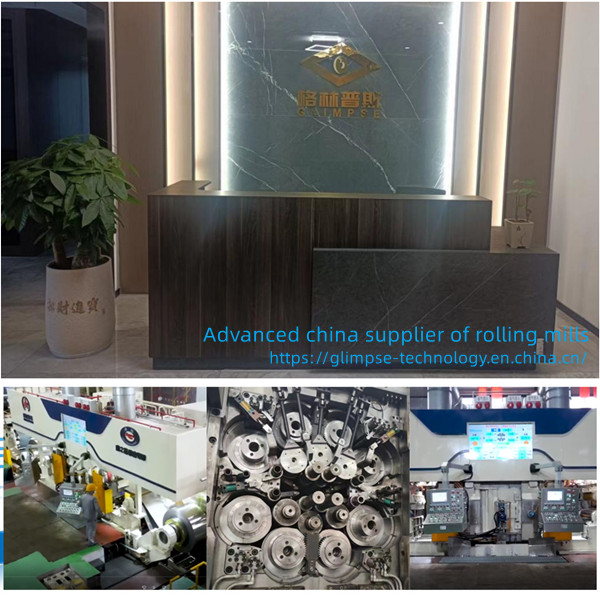 GLIMPSE awarded as a high-quality Chinese supplier of high-quality rolling mill
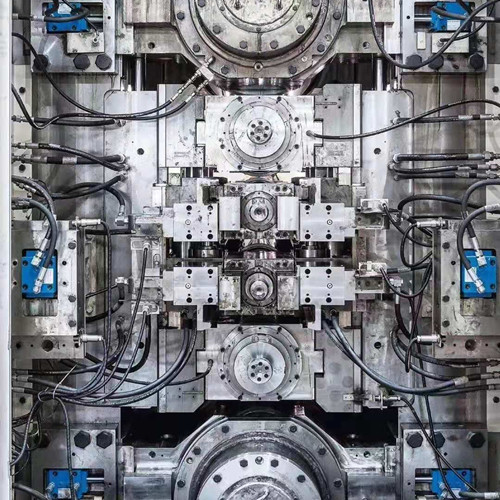 The principle and advantages of CVC rolling mill