
Why does automated rolling equipment still require technicians more and more?
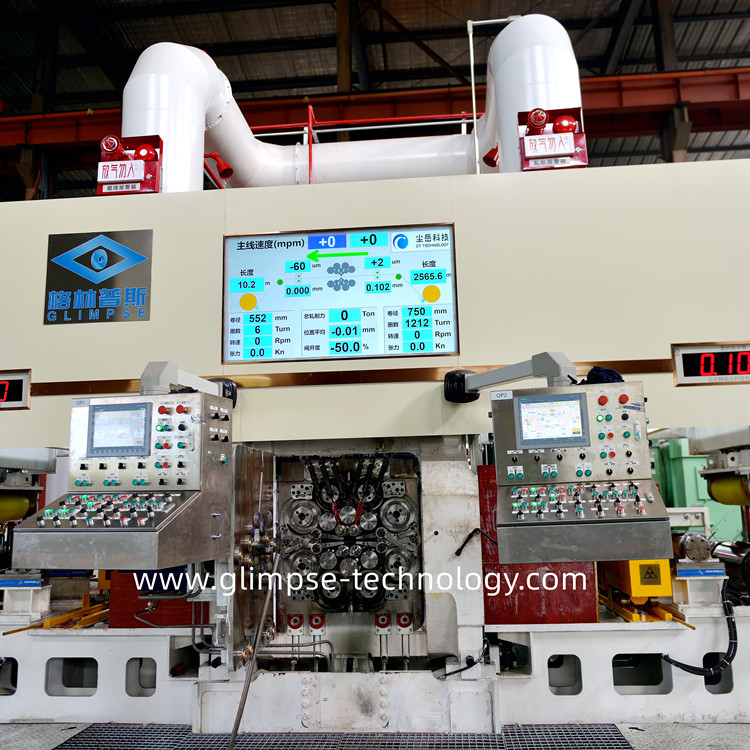
Why does automated rolling equipment still require technicians more and more?
Benefiting from the wide application of digital automation technology, the operation of the rolling mill is becoming more and more automated, and becoming easier and easier. Does it mean that the rolling operation involves less human factor? In reality, this is not the case, but the safe and efficient operation of modern rolling equipment requires rolling technicians or operators even more than before.
So, what knowledge or skills do modern mill operators or rolling technicians need to acquire?
The knowledge or skills required usually cover the following topics, from which rolling technicians and mill operators can draw inspiration and find their own answers, so that they can benefit a lot in their rolling practices.
• Automatic Flatness or Shape Control
• Automatic Gauge Control
• Coilers
• Controls and Automation
• Edges and Trimming
• Lubrication and Spraying
• Maintenance
• Maintenance of Back-up Rolls and Backing Assemblies
• Management
• Materials
• Measuring Thickness and Elongation
• Metallurgy (annealing and pickling)
• Pass Schedules and Rolling Speed
• Product Quality
• Roll Grinding
• Rolling Oil and the Oil Cellar
• Rolling Problems
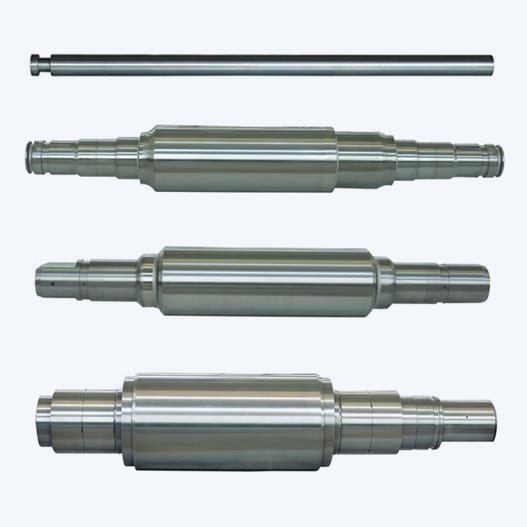
• Rolls
• Safety
• Screwdown and Roll Adjustment
• Strip Shape
• The Use of Tension
• Thickness Variations
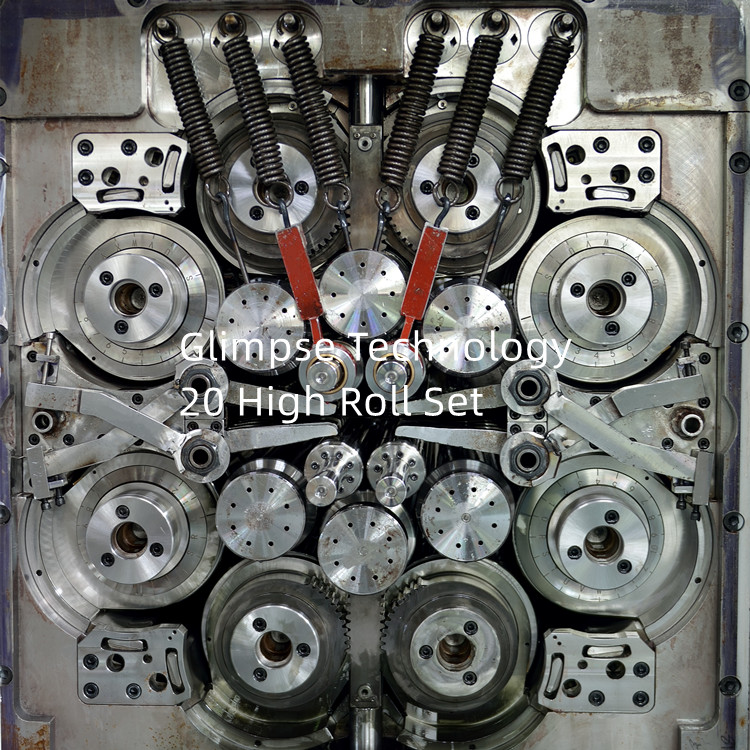
• Tips for 20-high mills
• Types of Mills
• Wiping, Pressboard, and Side Guides
• Work Roll Gap
Glimpse Technology is a high-tech company engaged in the design, production and sales of metal rolling equipment, has an experienced technical team and accumulates a lot of rolling practical experience. Glimpse Technology is willing to share its practical experience with customers engaged in metal rolling production. To this end, Glimpse Technology will continue to publish articles on its website related to rolling practices, sharing experience on each of the topics covered above, in the hope of benefiting metal rolling workers or enthusiasts.
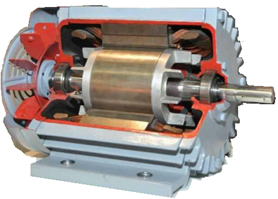 Why choose AC motor for cold rolling? (I) Disadvantages of DC Motor
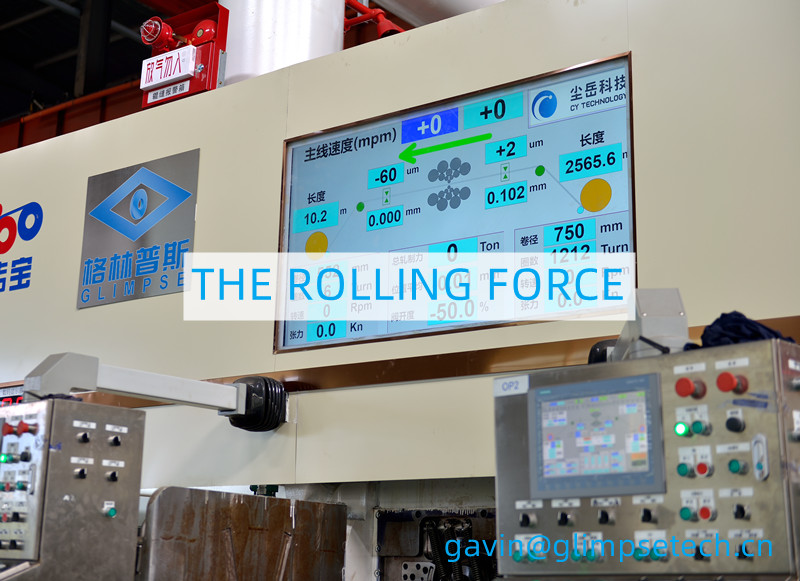 Steel strip rolling process – roll separating force
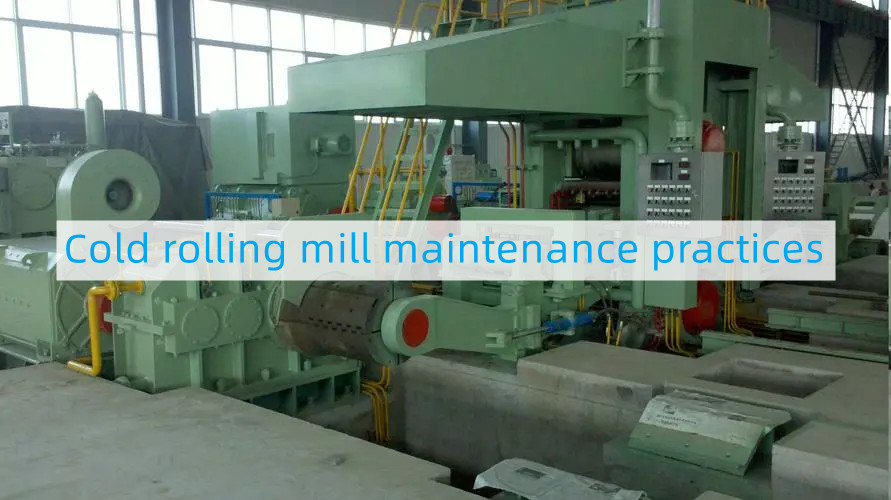 Cold rolling mill maintenance and safety technology
 What is the training program about under a sales contract of 20 high cold rolling mill?
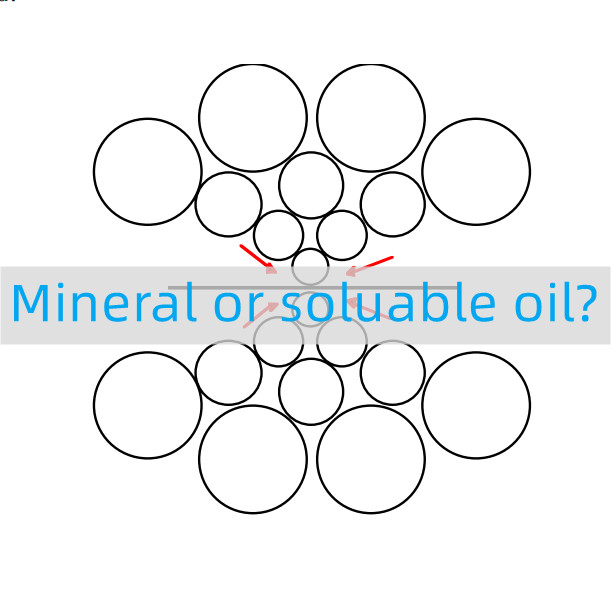 Which is better? Soluble or mineral oil?
 Q8 Roll hardness check
 Q 7 How to properly do roll grinding check?
 Viscosity Classification Equivalents
 Q6: How to do roll storage inspection
 Q 5: What is roll service cycle?
 Q 2 What to do during roll incoming inspection?
 Q1 How to select a supplier of mill rolls?
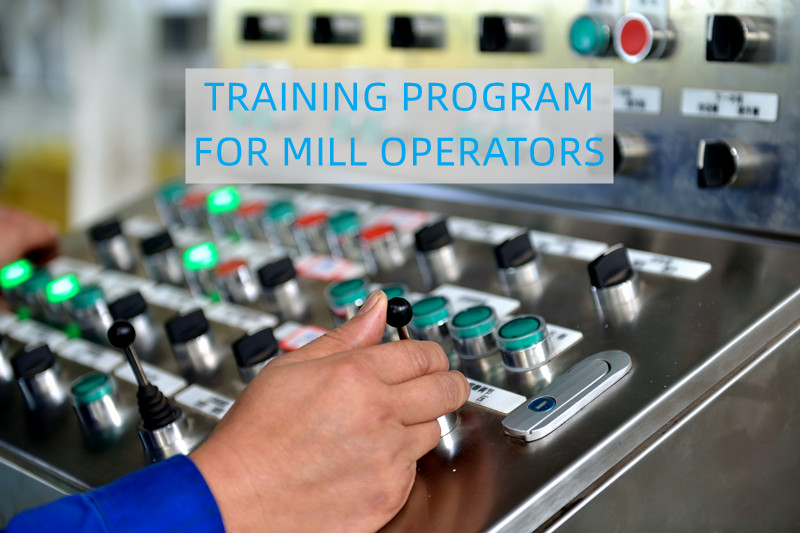 The training program for operators of cold rolling mills
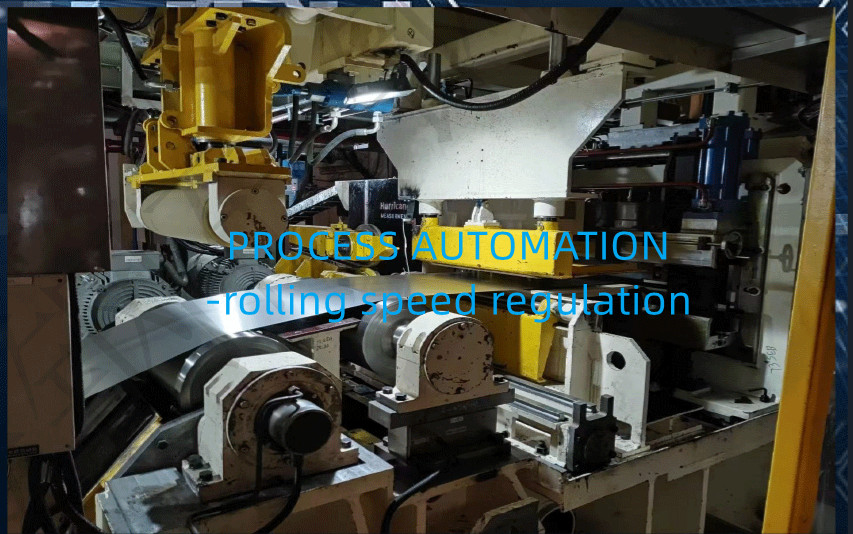 The General principle of rolling speed regulation for cold rolling mills
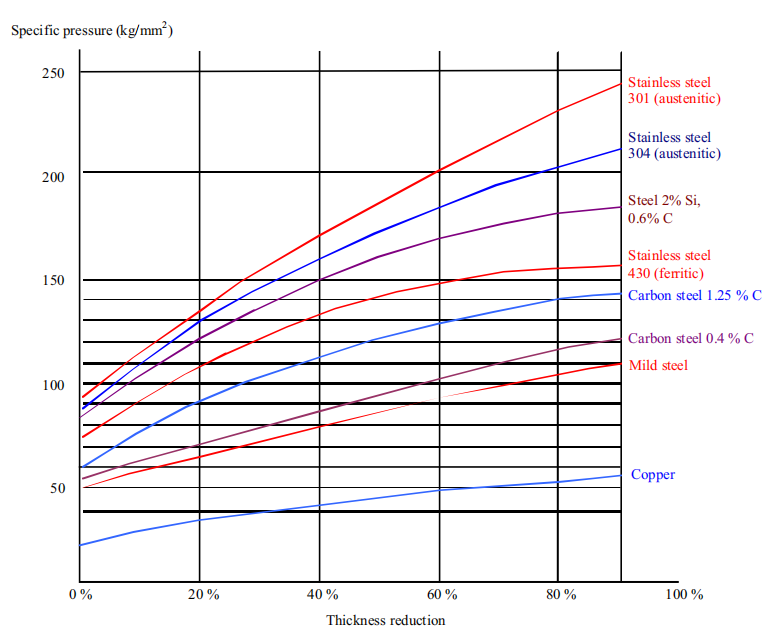 Why are stainless steels hard to roll?
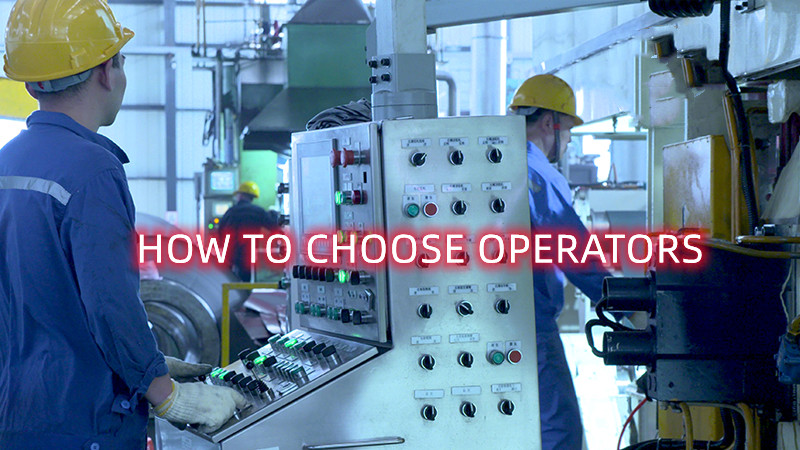 How to choose competent operators for cold rolling mills
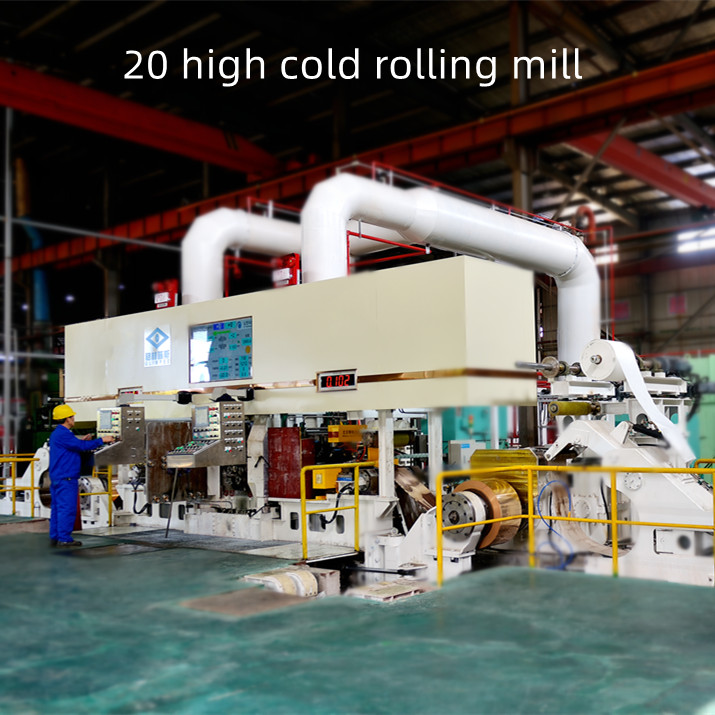 A brief introduction of 20 high cold rolling mill
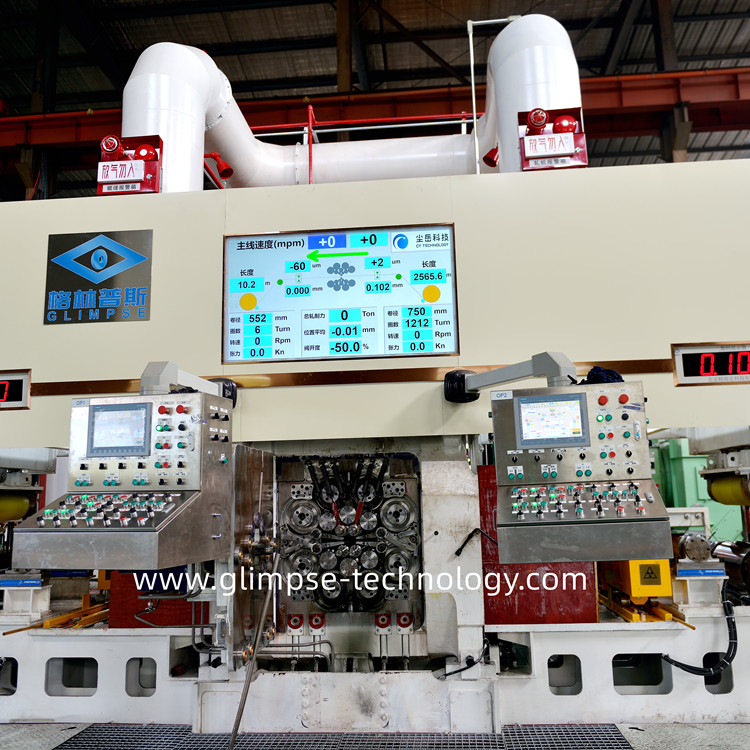 Pass schedules for reversible cold rolling mills.
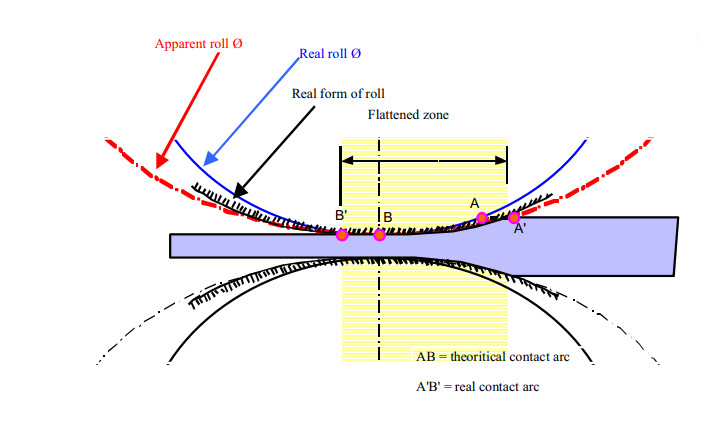 The design of work roll diameter
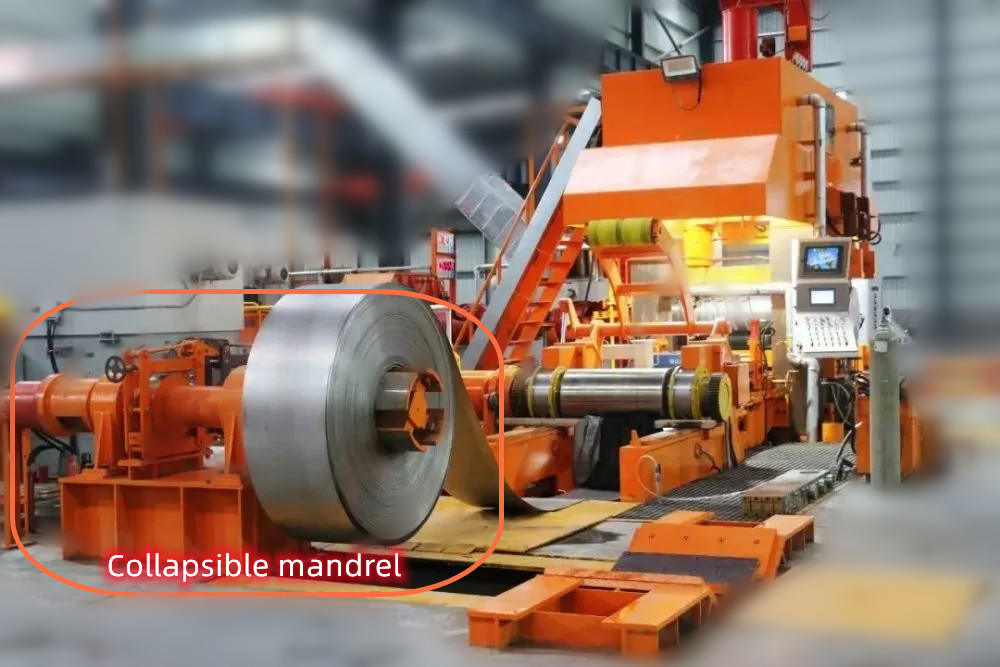 Types of coilers in metal rolling operation