
The General principle of rolling speed regulation for cold rolling mills
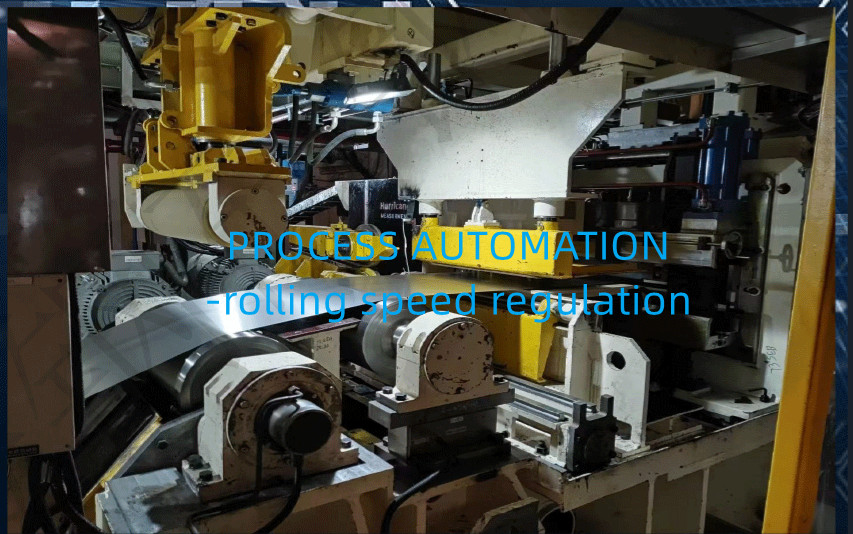
The General principle of rolling speed regulation for cold rolling mills
The rolling speed regulation is very important for the automation of cold rolling mill. There is a general principle for regulating the rolling speed. How to manage the relations between mill speed and those of uncoiler and coiler is a key consideration of process automation. A qualified roller should know about the principle so as to be able to discuss the problems with maintenance personnel and inform them clearly.

Rolling speed is measured by the speed of the rolls, for the rolls’ peripheral speed is almost the same as the strip’s exit speed.
The operator adjusts the motors driving the rolls in order to increase or decrease rolling speed. (Speed regulation is provided on the mill motors.) The speed that is measured is that of the rolling mill motors. (Note: as a consequence, the real speed is lower with driven rolls with
small diameters.)
The two coilers adjust their own speed to the strip speed.
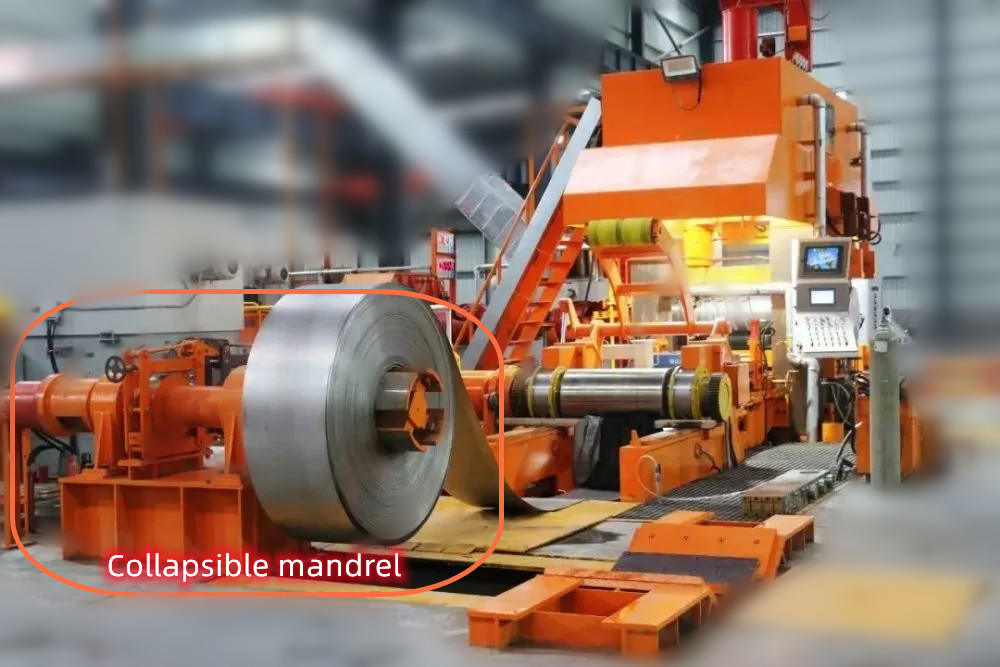
• On the uncoiling side, the strip drives the mandrel, and the motor acts as a brake (in order to ensure back tension). When the operator increases the speed, the strip makes the uncoiler rotate faster. If the strip breaks, the uncoiler rotates in the direction reverse to uncoiling (at high speed, this does not occur immediately because of inertia). During uncoiling, the diameter of the strip on the mandrel decreases. Therefore, for the same rolling speed, the angular speed of the uncoiler increases.
• On the coiling side, the strip diameter increases on the mandrel. Therefore, for a constant rolling speed, the angular speed of the coiler decreases. When the operator increases the speed of the rolling mill, the speed of both the strip and the coiler at the exit side increase.
The coiler ensures front tension. If the strip breaks, the coiler will race.
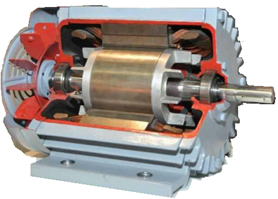 Why choose AC motor for cold rolling? (I) Disadvantages of DC Motor
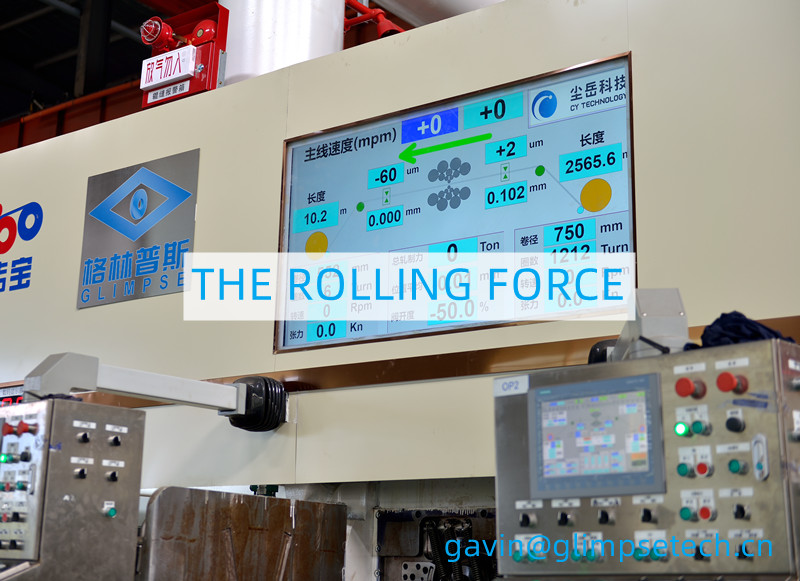 Steel strip rolling process – roll separating force
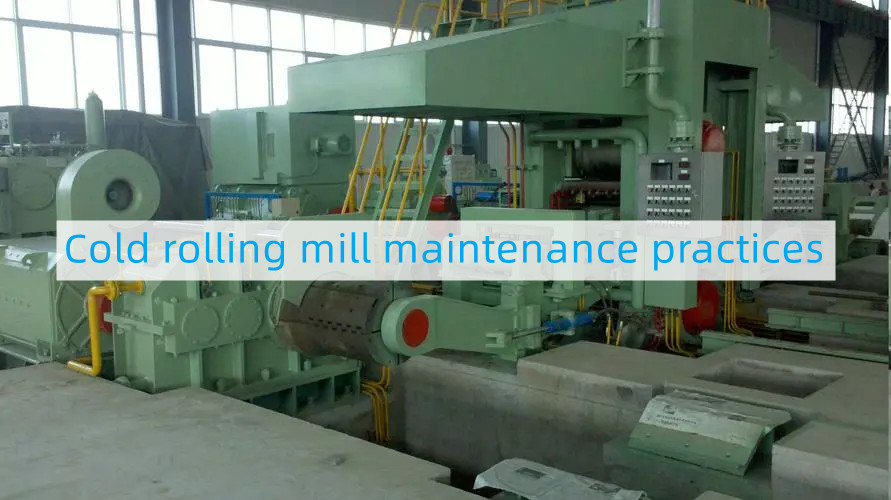 Cold rolling mill maintenance and safety technology
 What is the training program about under a sales contract of 20 high cold rolling mill?
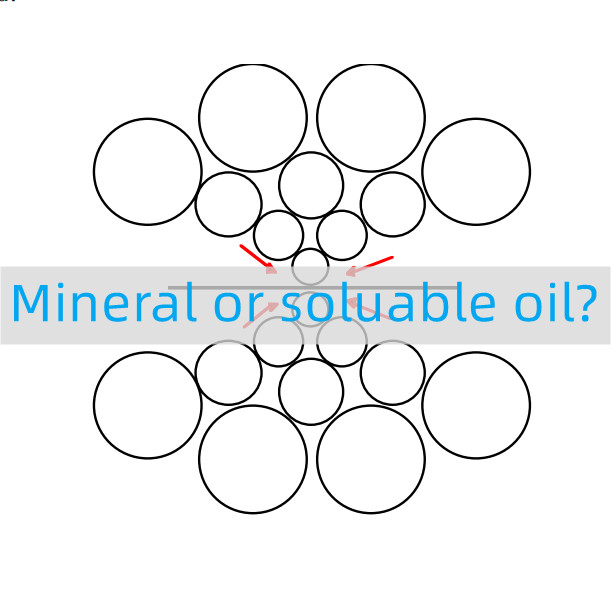 Which is better? Soluble or mineral oil?
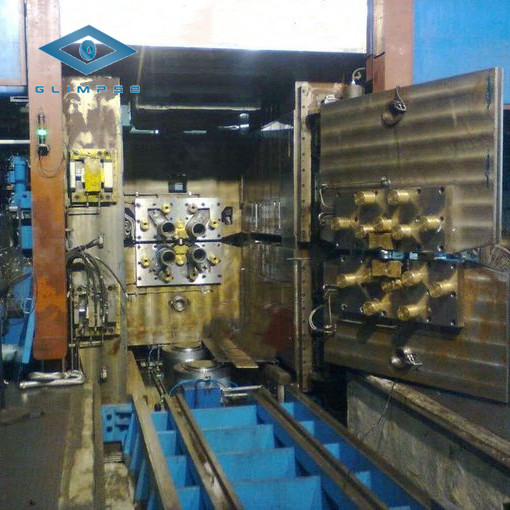 Q8 Roll hardness check
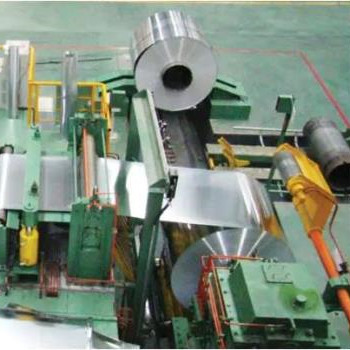 Q 7 How to properly do roll grinding check?
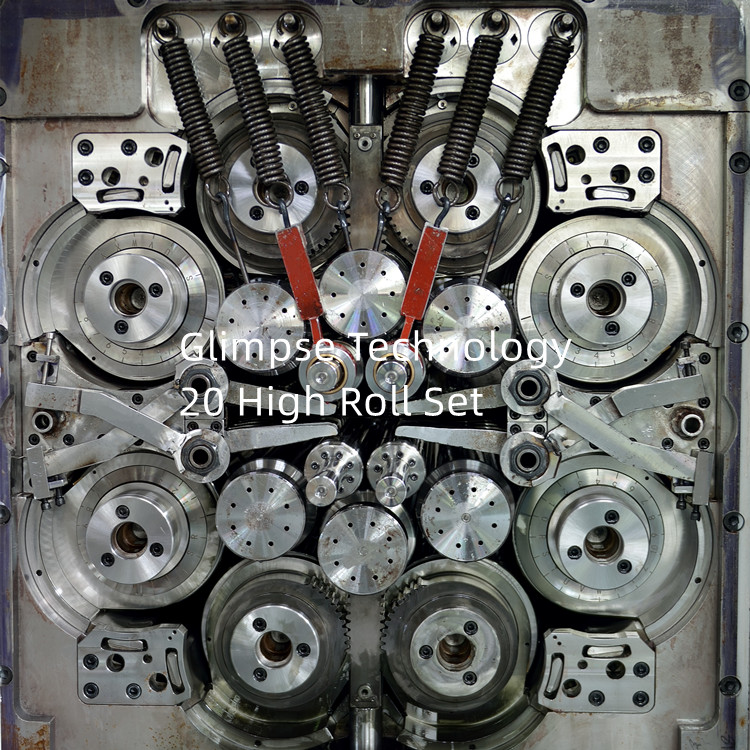 Viscosity Classification Equivalents
 Q6: How to do roll storage inspection
 Q 5: What is roll service cycle?
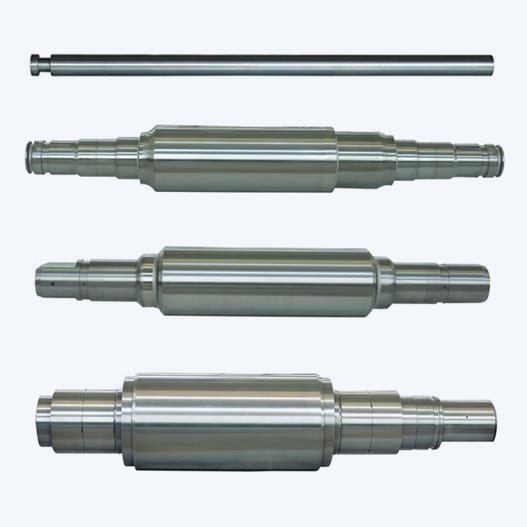 Q 2 What to do during roll incoming inspection?
 Q1 How to select a supplier of mill rolls?
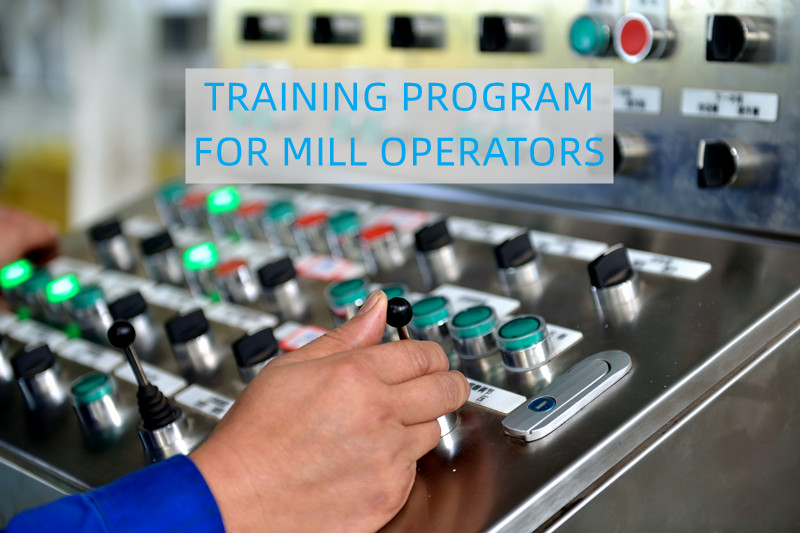 The training program for operators of cold rolling mills
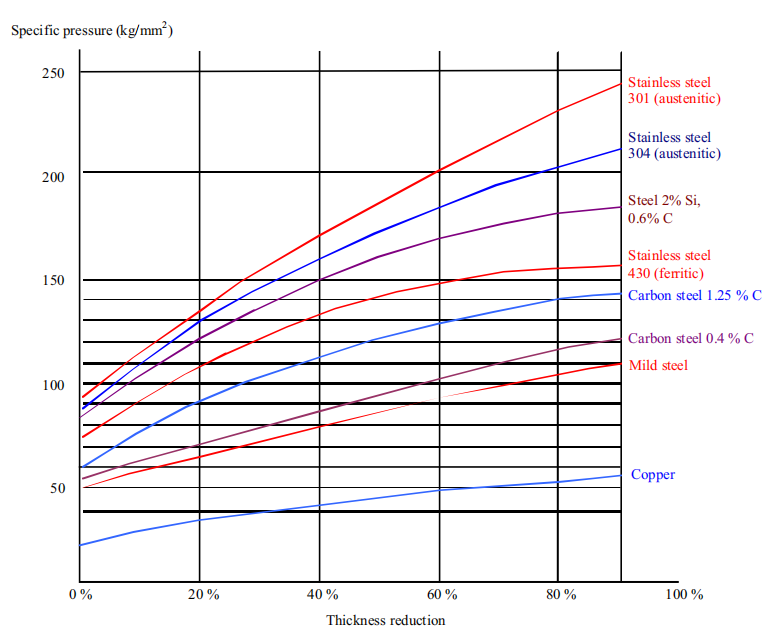 Why are stainless steels hard to roll?
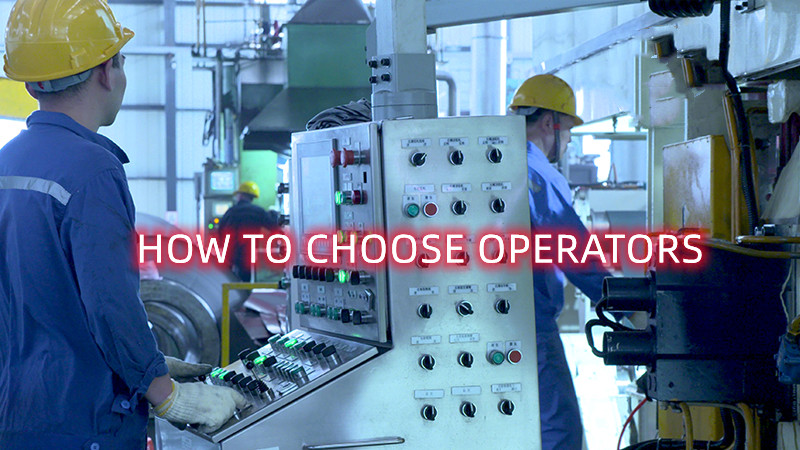 How to choose competent operators for cold rolling mills
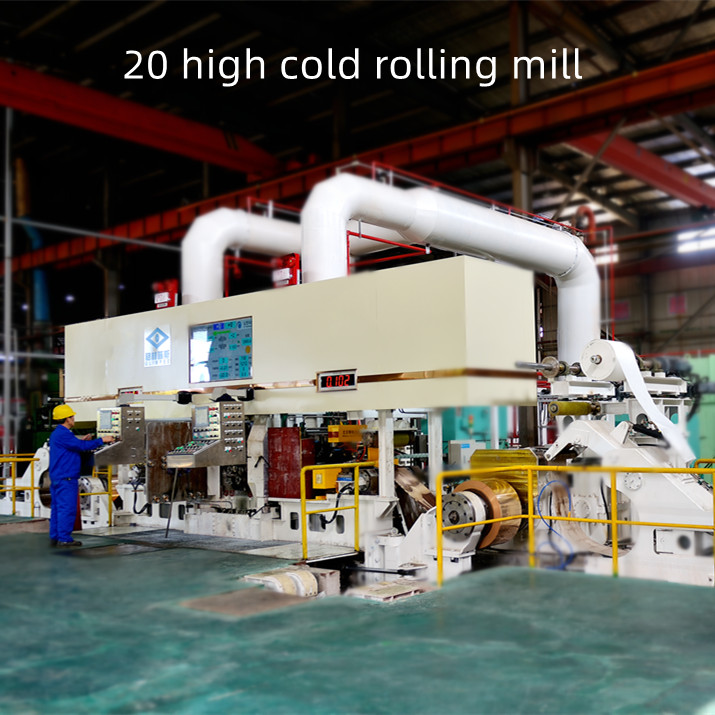 A brief introduction of 20 high cold rolling mill
 Pass schedules for reversible cold rolling mills.
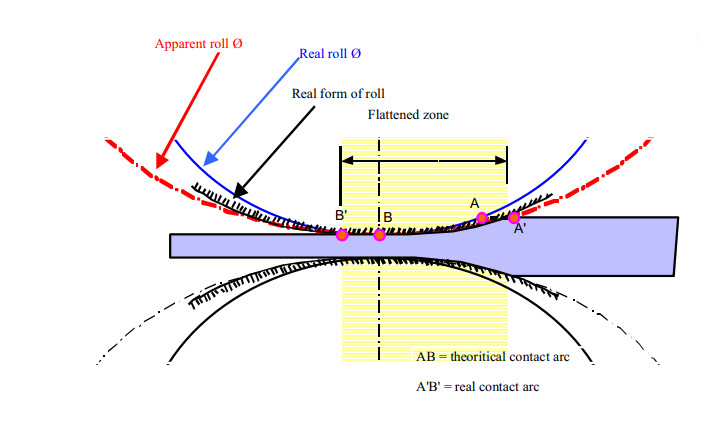 The design of work roll diameter
 Types of coilers in metal rolling operation
 Introduction of MKW 8 Hi cold rolling mill