
The training program for operators of cold rolling mills
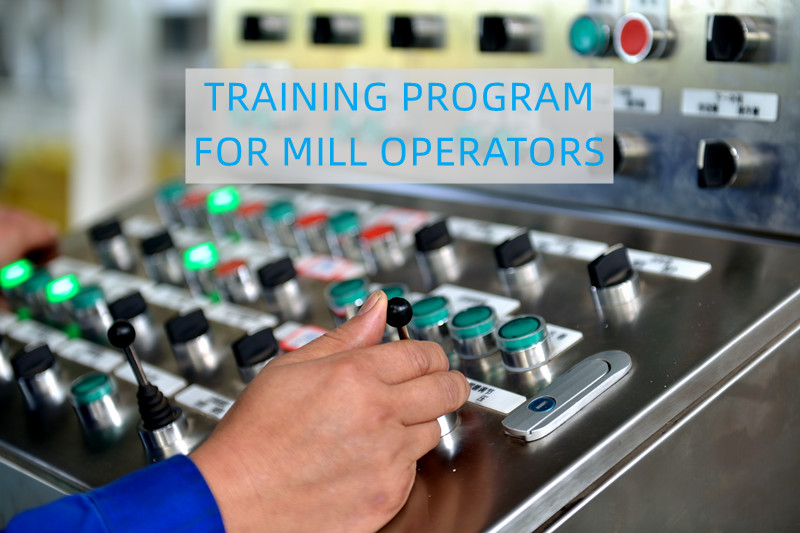
The training program for operators of cold rolling mills
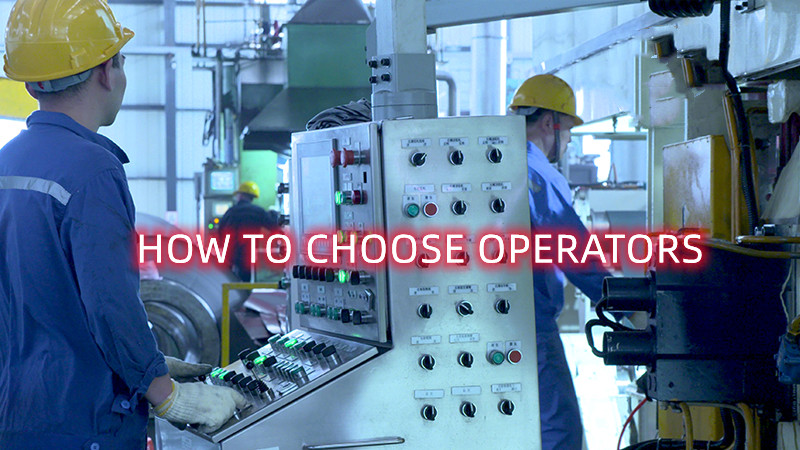
Mill equipment needs very good operators. They have great influence on the results. Therefore, training is required for mill operators.
Here is some ideas about how to train mill operators:
The first step is to have some practical training concerning the equipment. Before becoming a roller, it is very useful to spend two or three months as a helper. During this period, the trainee learns the operation, the different works, etc. Some lectures have to be given about the description and functioning of the different parts of the equipment.
The second step is roller training. It should be methodical. Start by observing the rolling, how to adjust the shape, the thickness, the order of operations, the gauges, and so on. Then learn the desk controls. What are the different buttons and switches? What are the interlocks? Classroom lectures should be integrated into this process.
The new roller must have a mentor (an experienced roller). After an observation period (about one month next to the control desk —the trainee must know the control desk very well before rolling), the trainee can begin to carry out strip threading operations, prepare the first pass, and extract the finished coils. Then he can roll the first passes, then all passes for current jobs. Progressively the difficulties are increased. The trainee can roll on his own if his skill is sufficient, according to the opinion of his sponsor.
It is difficult to indicate how long it takes to train a roller. It depends on the quality of the man, the type of work, the type of mill, and so on. The shortest time is one month as a helper and one month as a roller. But this training is just sufficient to roll the easiest jobs. For a big jobbing mill, running at high speed, about six months are necessary to train a roller well enough to be able to roll everything in good condition.
The person who gives the lectures can be a foreman or an executive of the production department. He should be a volunteer and like this job. He should also train people from other departments. The scope should be adapted to the need of each unit so that everyone uses the same language. The various departments can work together efficiently to solve difficulties and to discover and carry out improvements.
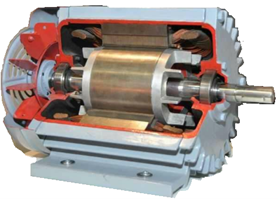 Why choose AC motor for cold rolling? (I) Disadvantages of DC Motor
 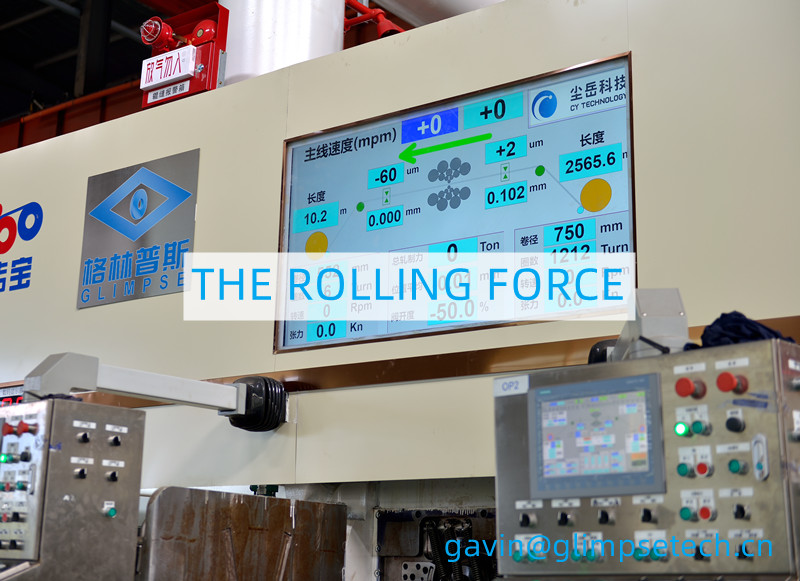 Steel strip rolling process – roll separating force
 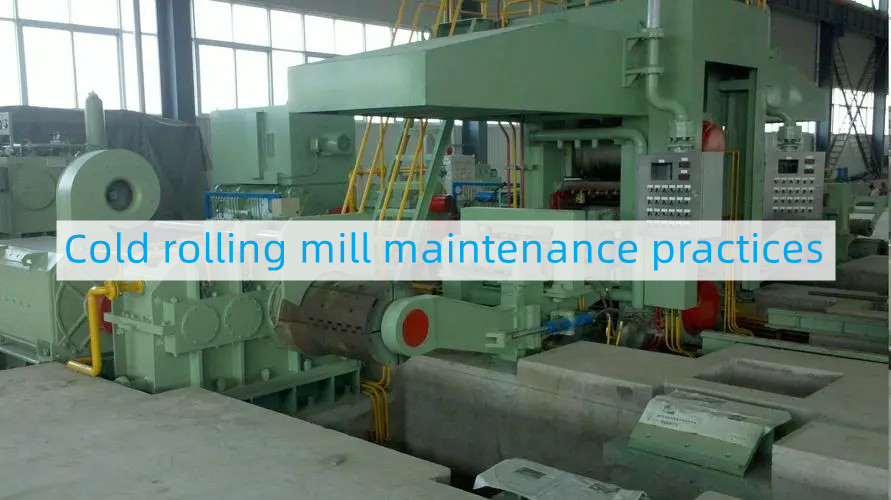 Cold rolling mill maintenance and safety technology
 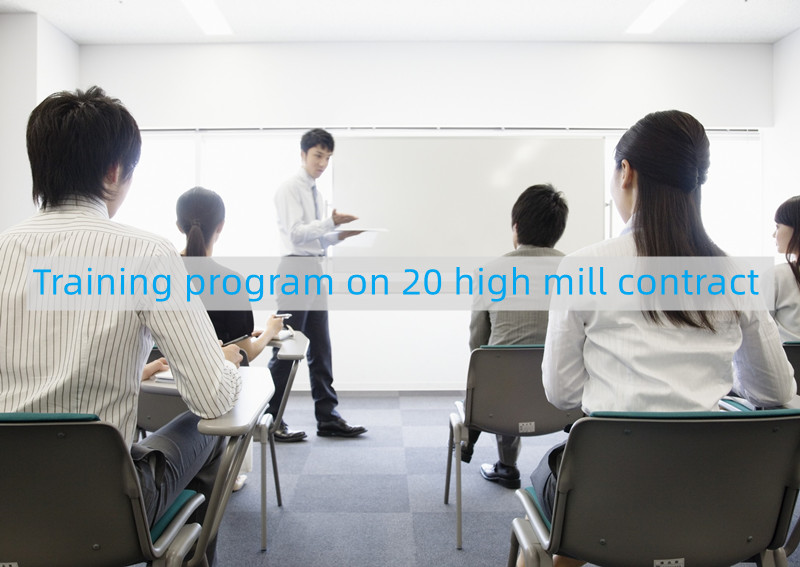 What is the training program about under a sales contract of 20 high cold rolling mill?
  Which is better? Soluble or mineral oil?
 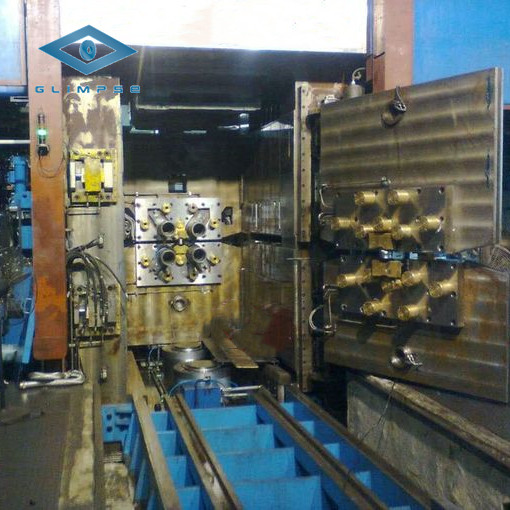 Q8 Roll hardness check
 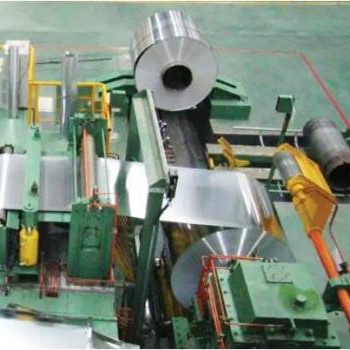 Q 7 How to properly do roll grinding check?
 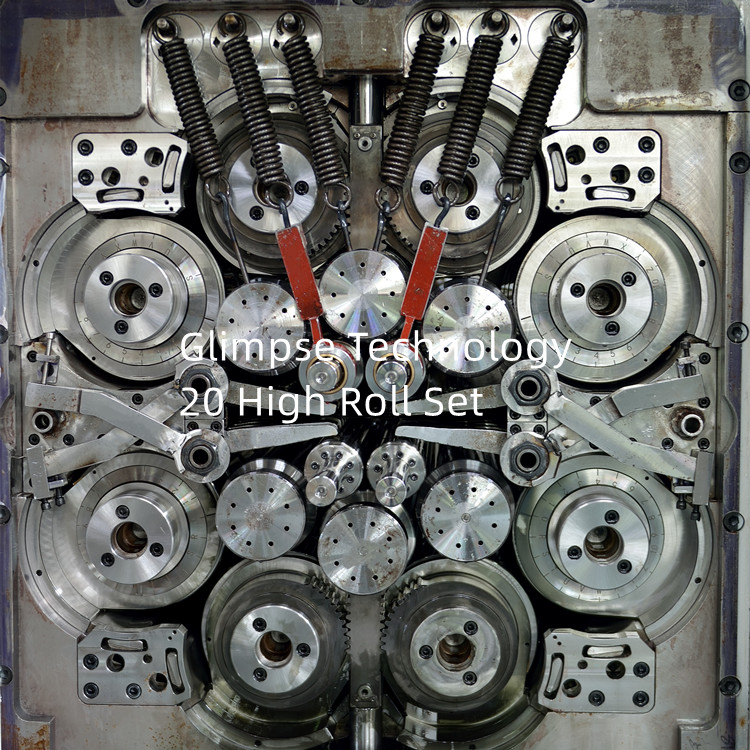 Viscosity Classification Equivalents
  Q6: How to do roll storage inspection
  Q 5: What is roll service cycle?
 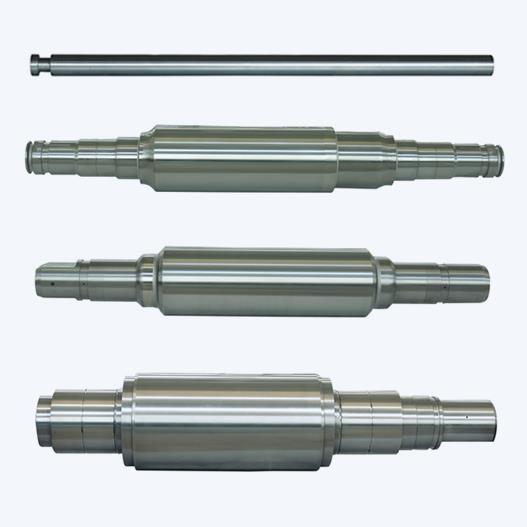 Q 2 What to do during roll incoming inspection?
  Q1 How to select a supplier of mill rolls?
 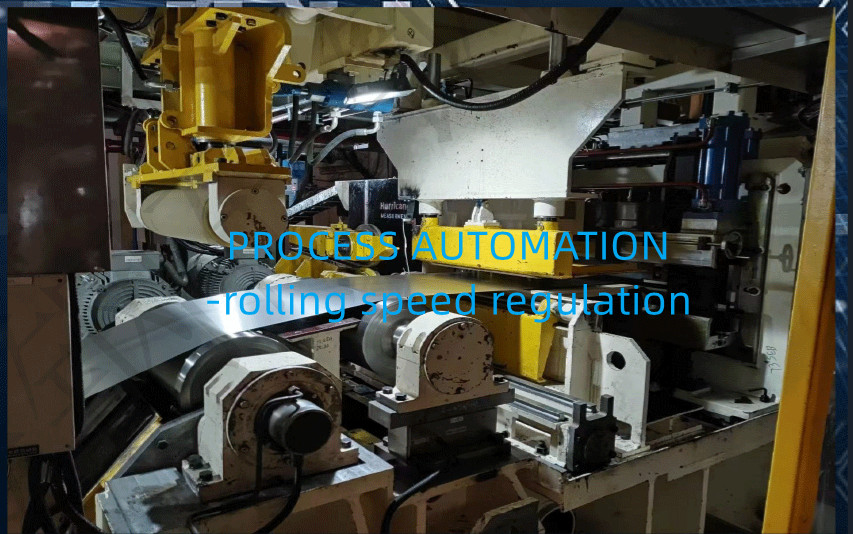 The General principle of rolling speed regulation for cold rolling mills
 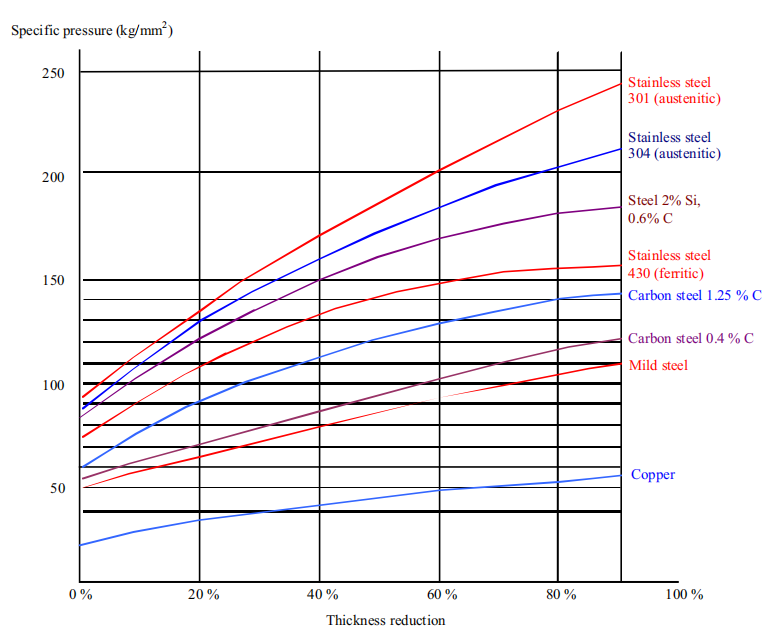 Why are stainless steels hard to roll?
  How to choose competent operators for cold rolling mills
  A brief introduction of 20 high cold rolling mill
  Pass schedules for reversible cold rolling mills.
  The design of work roll diameter
 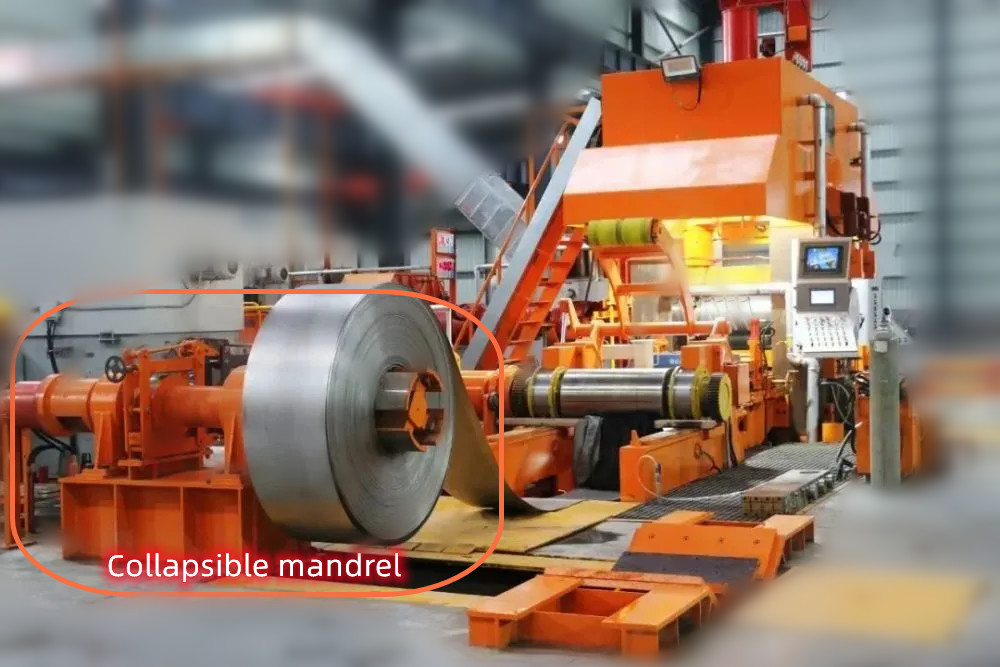 Types of coilers in metal rolling operation
 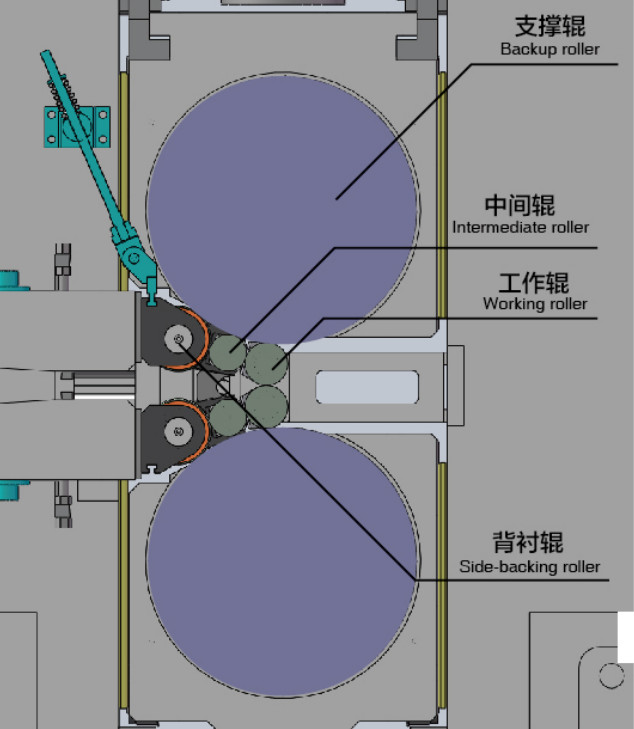 Introduction of MKW 8 Hi cold rolling mill