
Types of coilers in metal rolling operation
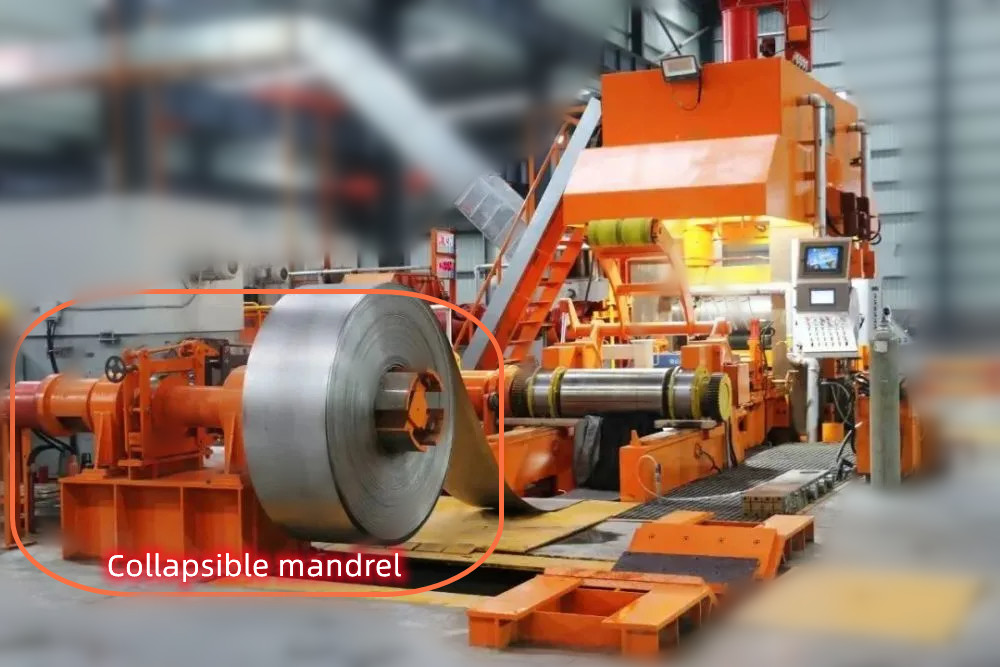
Types of coilers in metal rolling operation
The coilers are very important components in the rolling line.
There are two types of coilers: collapsible mandrels and solid block winder mandrels (solid drums).
Figure 1 shows a mill working with collapsible mandrels.
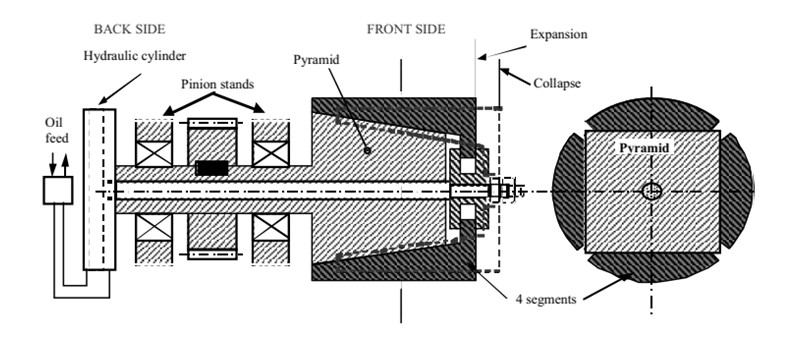
Figure 1
The first pass is carried out from the payoff reel to the right coiler. According to the number of passes, the strip is finished and extracted on either the left or the right side.
Figure 2 shows the principle of the collapsible mandrel (for an old, narrow mill). Four segments slide on a square pyramid. The hydraulic cylinder, thanks to its long rod, pulls the segments in the left direction (expansion position), or pushes the segments in the right direction (collapse position).
Note: the mandrels, for old narrow mills (below 26”) (i.e., that have no outboard bearings), are in cantilever, as in the figure. For wide mills, the mandrels have an outboard bearing, and there are two or three pyramids.
At the end of the last pass, in spite of the compression (due to tension), the mandrel should be collapsed. For that, the angle α cannot be less than 7°, just enough to allow a reversing function under load. Consequently, during rolling, the tension presses the segments on the pyramid, the rod is continuously pulled in the right direction, and the hydraulic cylinder resists. If the compression force is high enough, the mandrel slightly collapses. So, during rolling thin gauges, the coiler collapses (on the winding side), the segments go to the operator side, and the strip is not in the center anymore. In extreme cases, this side tracking can reach 10 mm. Today, mandrels no longer have this defect: the position of the segments is maintained; the pyramid, not the segments, moves axially (figure 3).
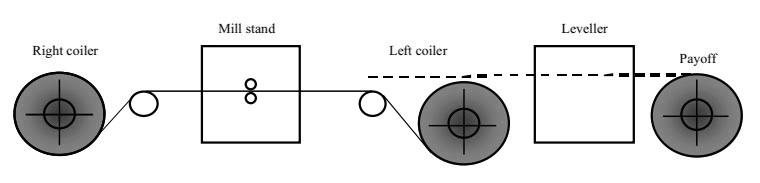
Figure 2
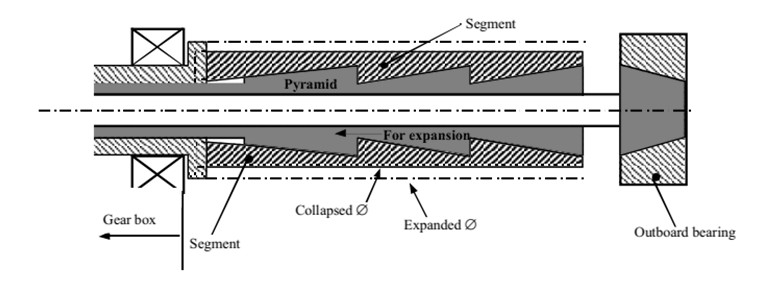
Figure 3
The life of the collapsible mandrels depends on the rolling program, rolling process, and maintenance.
Rolling thin gauges requires much more attention: perform daily greasing (a little bit each day is much better than a lot of grease once a week!), never leave a strip on the mandrel for several hours (high additional stress due to cooling), and use good sleeves (see section figure 3). Good sleeves protect the mandrels because they support the compression.
If thin gauges are rolled with high tension and without sleeves, the mandrels collapse at each pass, and scratches can be created on the segments and pyramids. In the case of scratches, the mandrel does not collapse progressively and smoothly but by jerks, and the jerks are noisy (like a gun shot). At this point, it is time to repair the sliding surfaces.
2. Solid block winder mandrels (solid drums)
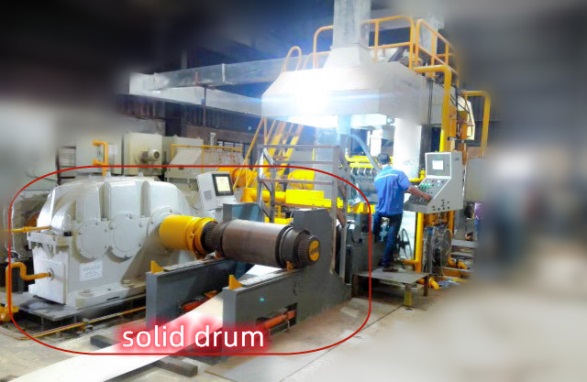
These are used in particular for mild steels and carbon steels. After rolling, these steels are generally annealed in bell furnaces.
A strip wound under high tension cannot be annealed directly: the laps would stick on one another. In order to avoid this defect, after rolling, the strips are rewound under low tension.
The thinner the gauge, the heavier the risk of sticking. Thicknesses exceeding 1.2 mm (indicative value) normally do not need rewinding.
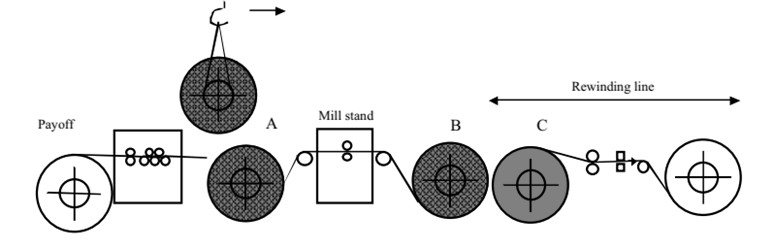
Figure 4
Figure 4 shows an arrangement whereby at A there is a solid block winder mandrel used as a left coiler. If the strip finishes on this side, the solid drum carrying the strip is transferred to C (by crane), and it becomes the payoff of the rewinding line. At B, there is a solid drum used as a right coiler. If the strip finishes on this side, the solid drum is shifted to C. The rewinding is carried out during rolling.
For materials that have to be rewound, one has a choice between using collapsible mandrels and rewinding on other equipment, such as a strip rewinding line. Of particular appeal is performing trimming or slitting simultaneously with rewinding and before annealing.
If the next operation is annealing in a continuous furnace, or slitting, rewinding is not necessary and the choice is easy: collapsible mandrels. In the case of thin gauges, many good sleeves are required. However, if the next operation is bell annealing, the best choice is solid drums.
--------
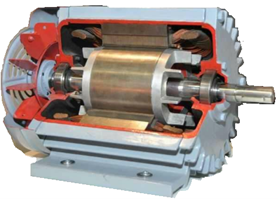 Why choose AC motor for cold rolling? (I) Disadvantages of DC Motor
 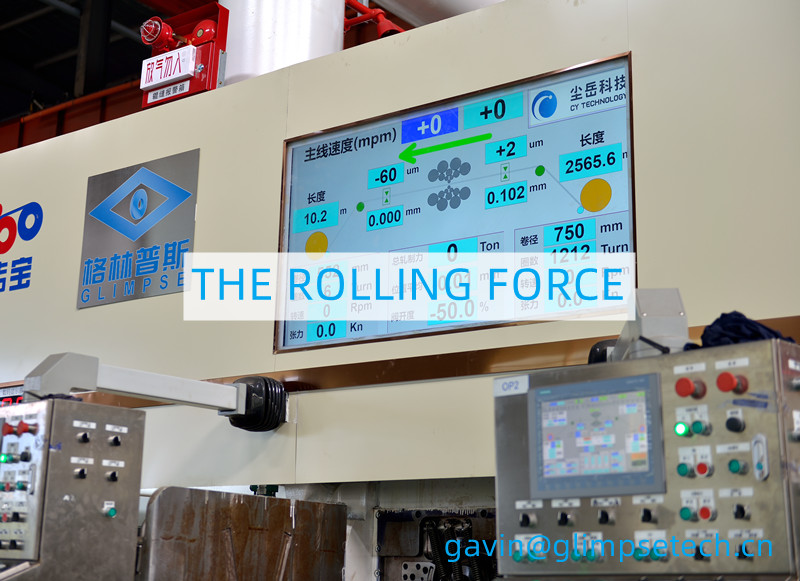 Steel strip rolling process – roll separating force
 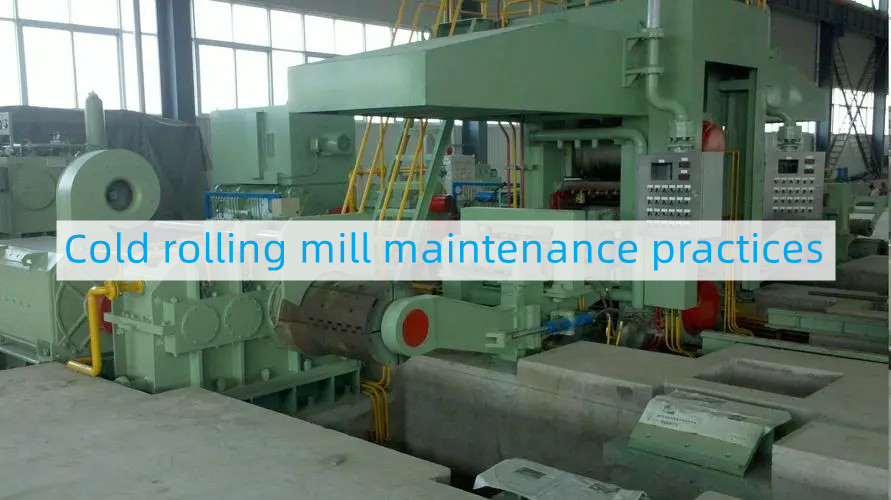 Cold rolling mill maintenance and safety technology
  What is the training program about under a sales contract of 20 high cold rolling mill?
  Which is better? Soluble or mineral oil?
  Q8 Roll hardness check
  Q 7 How to properly do roll grinding check?
  Viscosity Classification Equivalents
  Q6: How to do roll storage inspection
  Q 5: What is roll service cycle?
 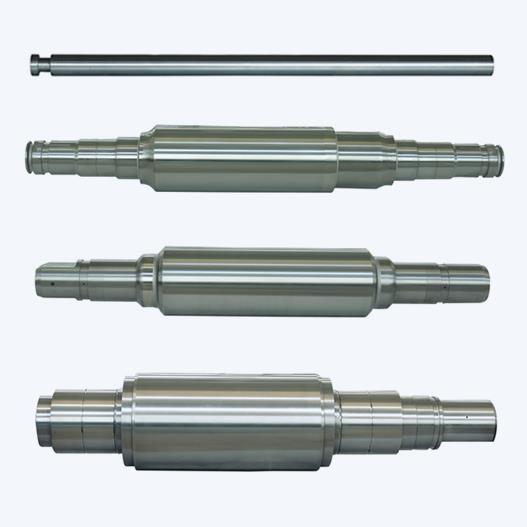 Q 2 What to do during roll incoming inspection?
  Q1 How to select a supplier of mill rolls?
 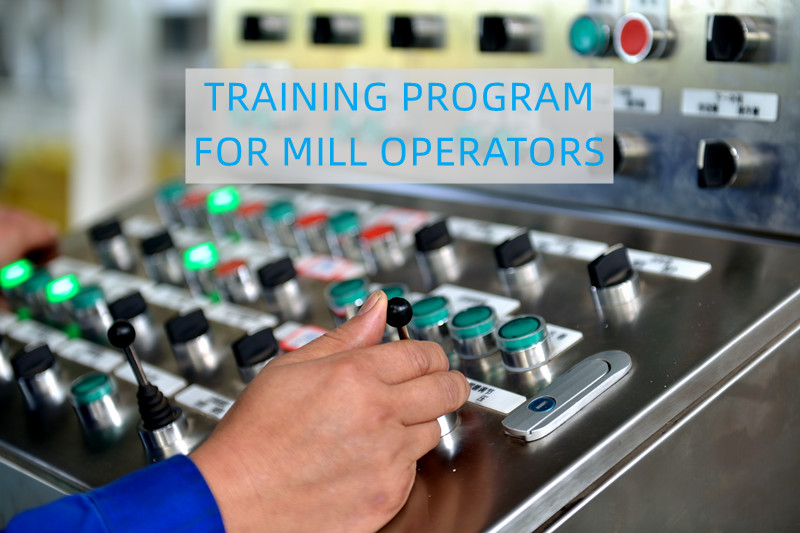 The training program for operators of cold rolling mills
 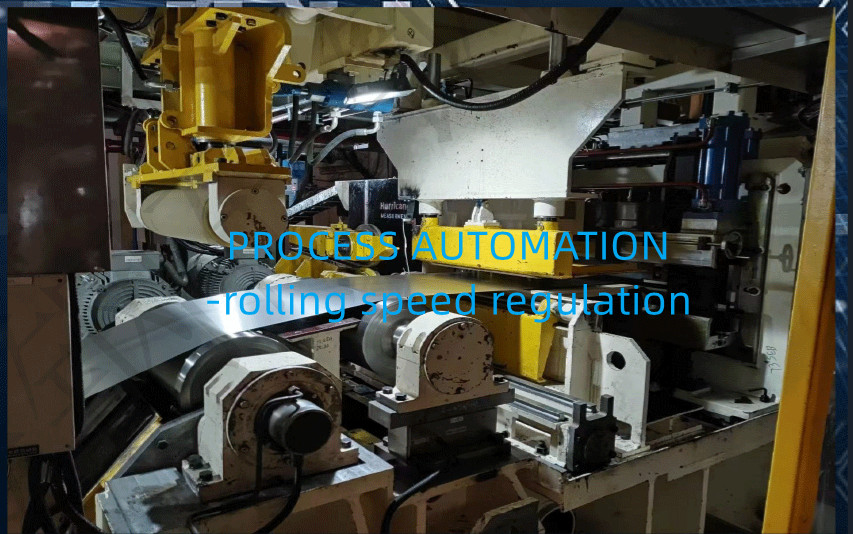 The General principle of rolling speed regulation for cold rolling mills
 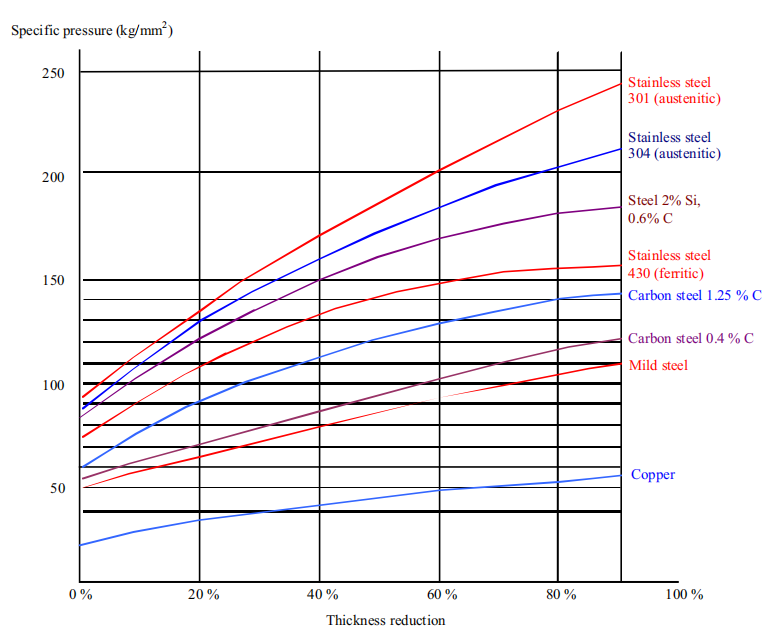 Why are stainless steels hard to roll?
  How to choose competent operators for cold rolling mills
 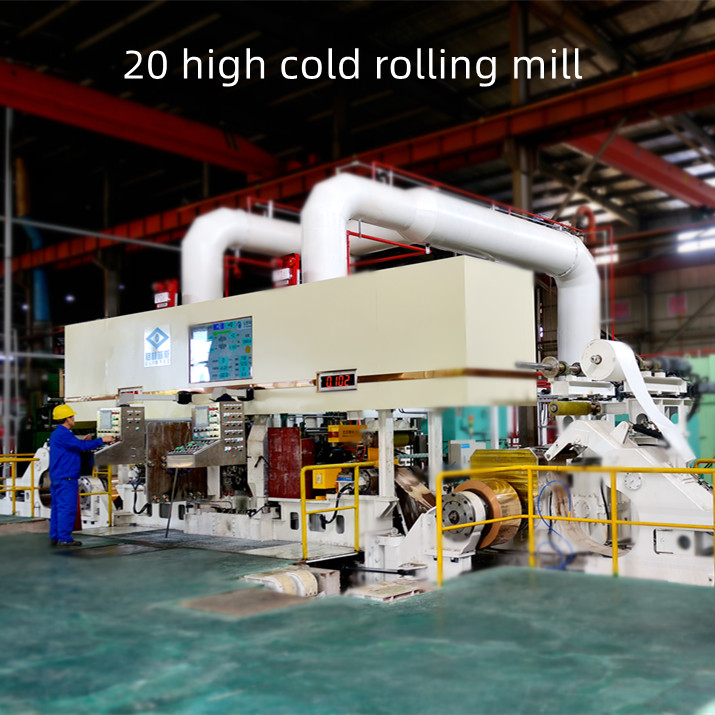 A brief introduction of 20 high cold rolling mill
 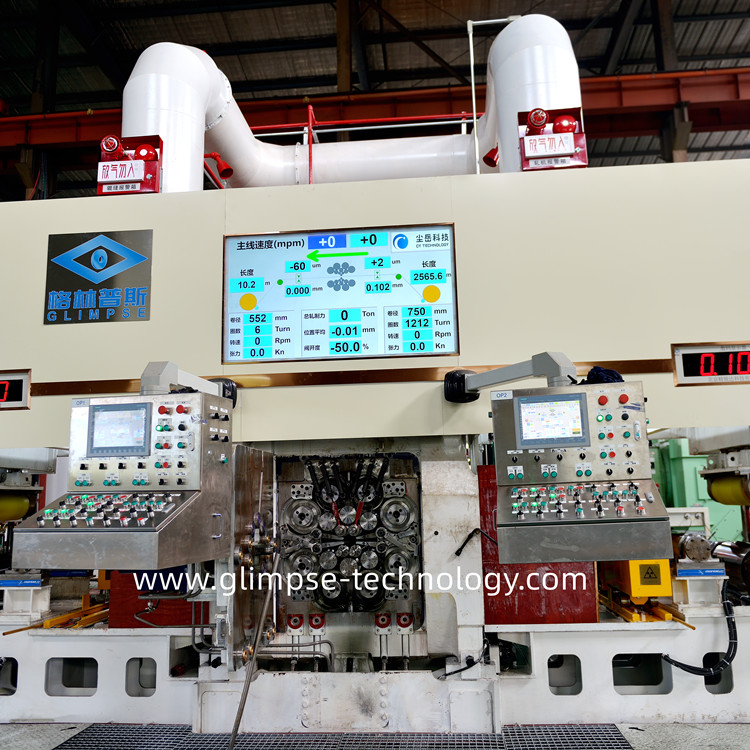 Pass schedules for reversible cold rolling mills.
  The design of work roll diameter
  Introduction of MKW 8 Hi cold rolling mill