
Why do hot rolled strips need further cold rolling process?
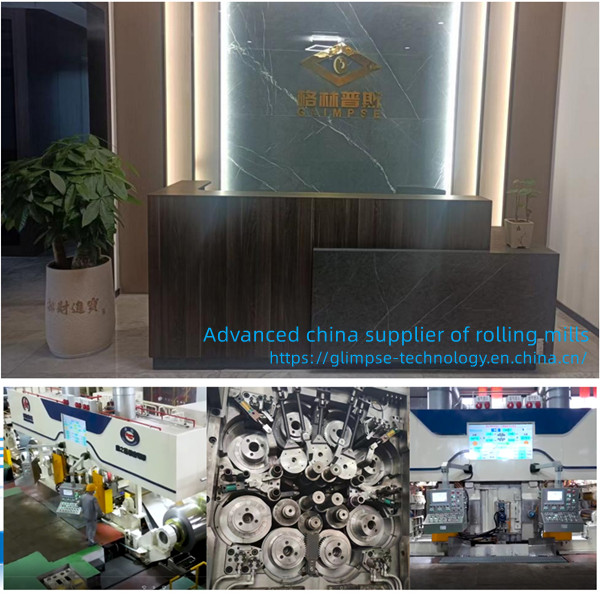
Why do hot rolled strips need further cold rolling process?
This post discusses the role of the cold rolling operation.
In the melt shop, desirable material is formed: a chemical composition is created. Casting then follows in order to transform the liquid into a solid state.
Under old methods, the form created after casting was the ingot. Square sections were used, and the weight could reach several tons. The ingots were then rolled at high temperature to give birth to slabs. The thickness of the slab ranged from 100 to 150 mm. The width depended on the final requirement, and the length depended on the weight of the slab.
A second hot rolling was then necessary to transform the slab into strip. For this step, the slab was heated again at high temperature and passed through several mill stands, sometimes 12 stands. The exit product was wound strip.
The minimum resulting strip thickness was 1.6 mm for soft material (such as mild steel) and 2.5 mm for hard materials such as stainless steel. The maximum thickness for strip was about 8 mm.
By the way, hot rolling cannot produce thin and wide strip. Because of mechanical limitations, thin gauges can only be obtained in narrow strip.
Today, ingots have all but disappeared (except in very special cases), thanks to continuous casting. The solid state is first obtained in the slab.
In the future, hot rolling will be completely eliminated. Strip will be produced by continuous casting. This goal has already, in all practicality, been reached for mild steels.
Hot-rolled strip is the raw material for flat products. However, thin gauges, high surface quality, high accuracy of mechanical properties and thickness, and good shape require that the operations belonging to the “cold rolling complex” be carried out. These operations are:
• annealing to modify the structure,
• pickling to clean the surface, • slitting to obtain the required width, and
• cold rolling to reduce the thickness.
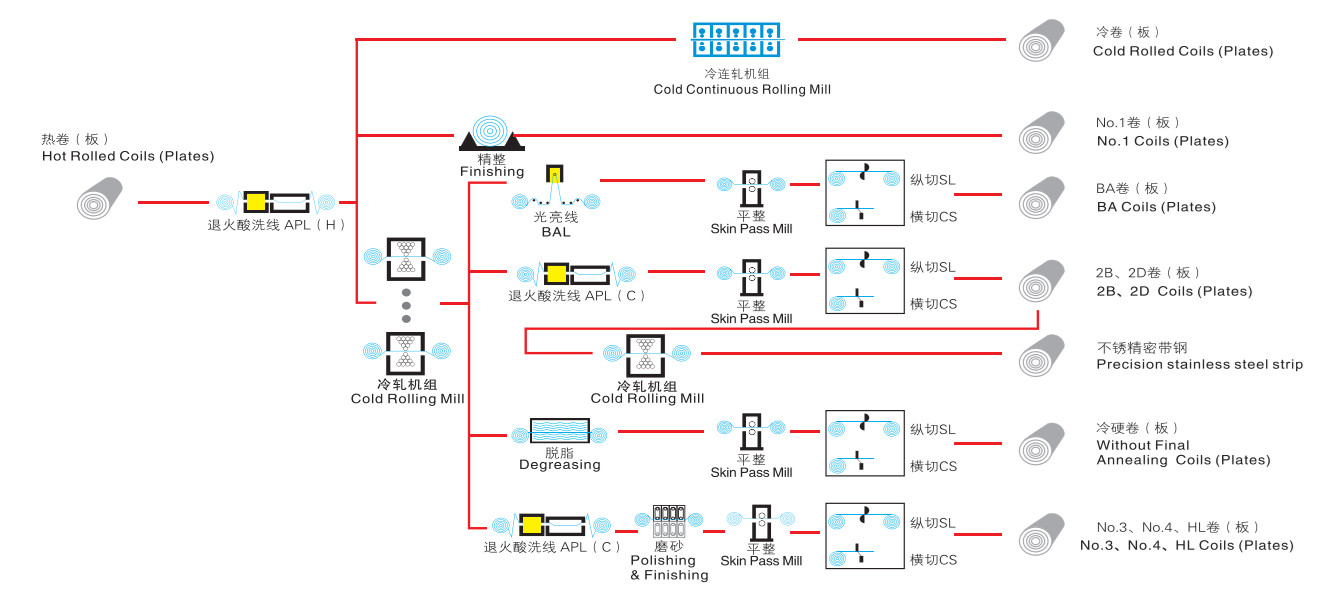
Process rout of typical cold rolling complex:
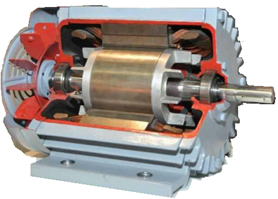 Why choose AC motor for cold rolling? (I) Disadvantages of DC Motor
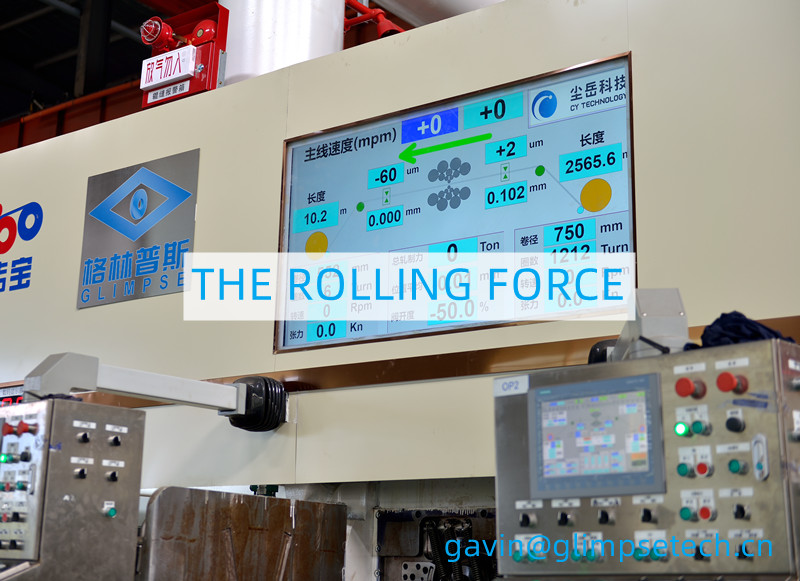 Steel strip rolling process – roll separating force
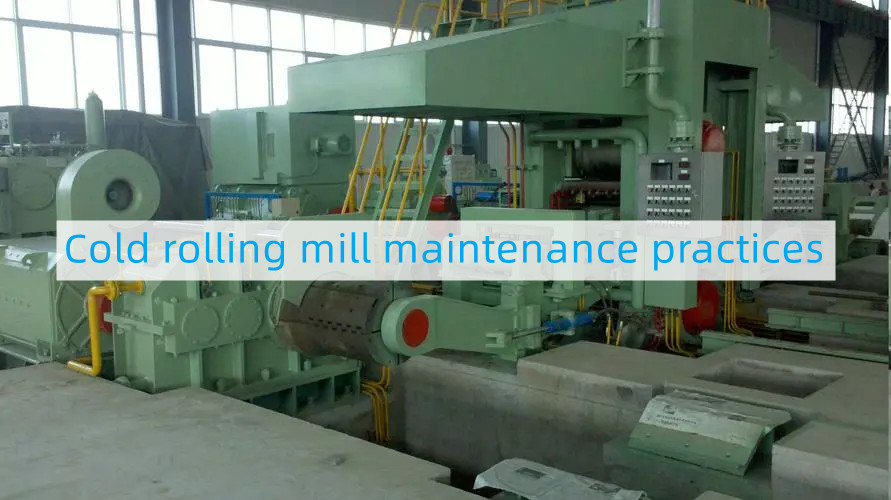 Cold rolling mill maintenance and safety technology
 What is the training program about under a sales contract of 20 high cold rolling mill?
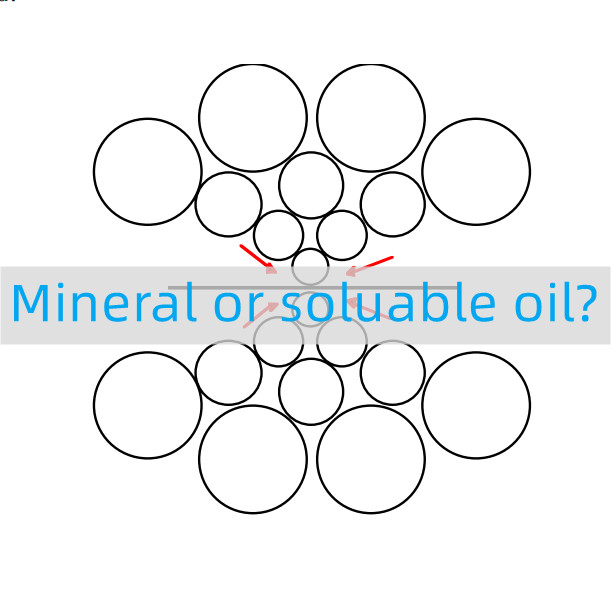 Which is better? Soluble or mineral oil?
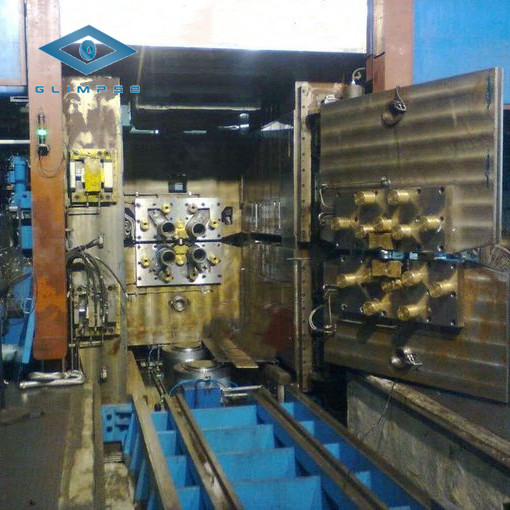 Q8 Roll hardness check
 Q 7 How to properly do roll grinding check?
 Viscosity Classification Equivalents
 Q6: How to do roll storage inspection
 Q 5: What is roll service cycle?
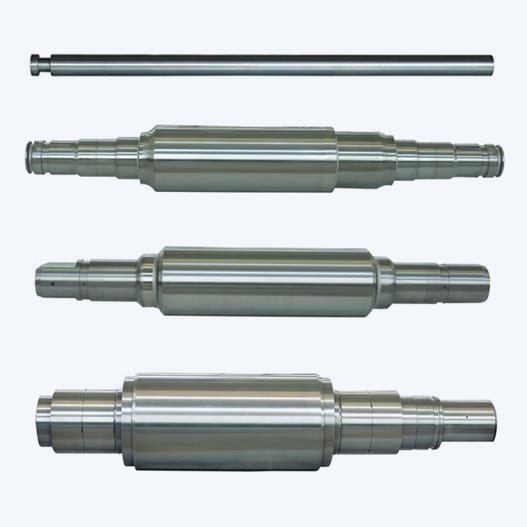 Q 2 What to do during roll incoming inspection?
 Q1 How to select a supplier of mill rolls?
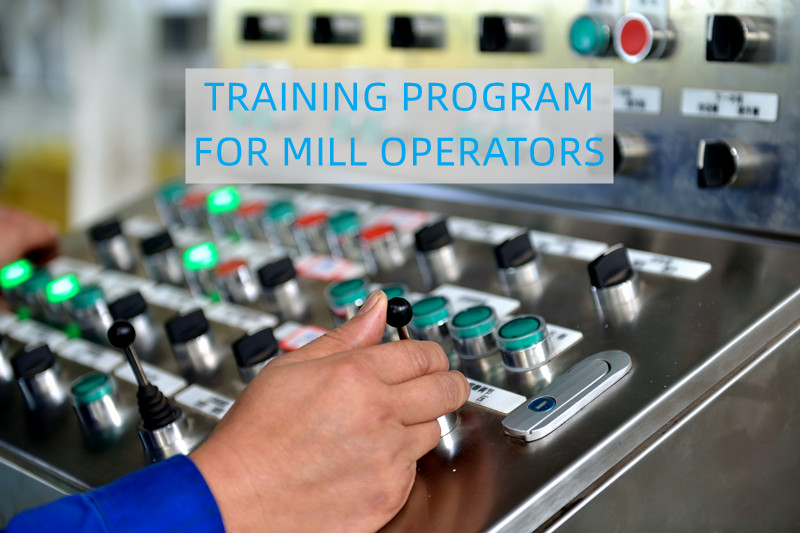 The training program for operators of cold rolling mills
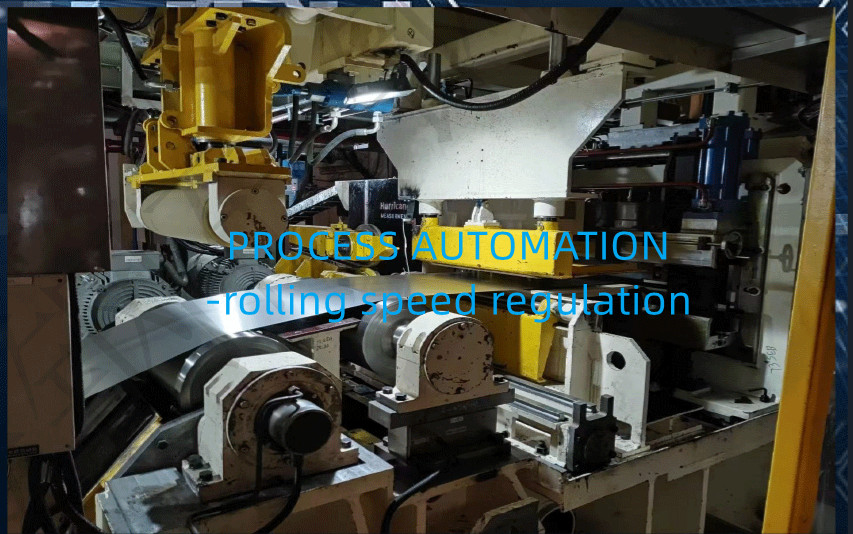 The General principle of rolling speed regulation for cold rolling mills
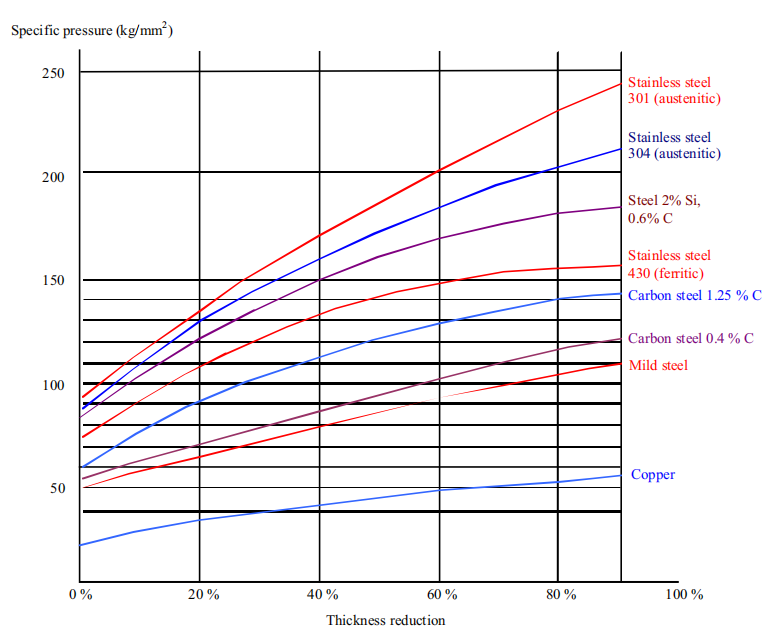 Why are stainless steels hard to roll?
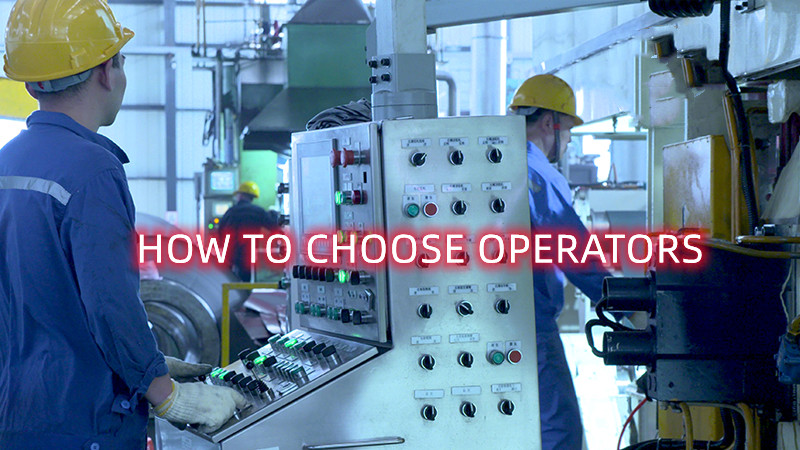 How to choose competent operators for cold rolling mills
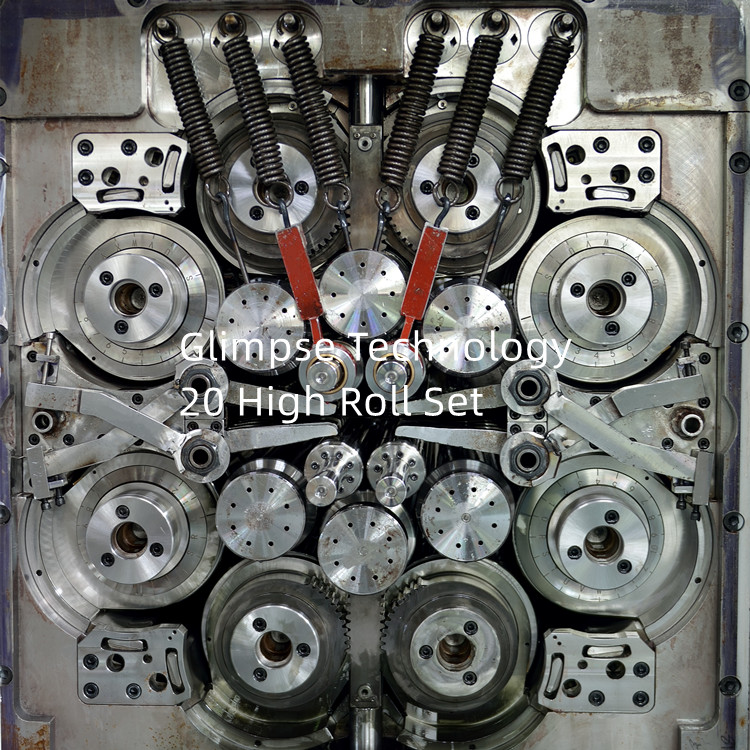
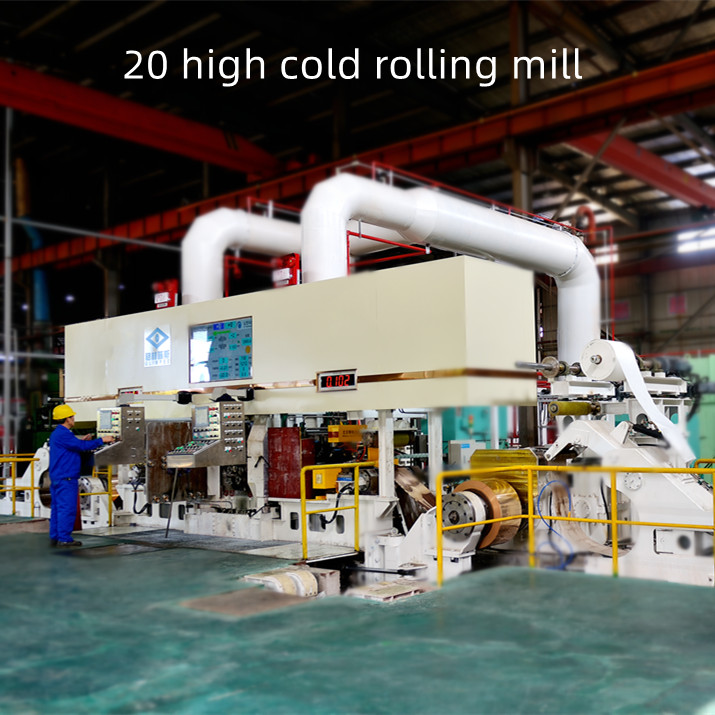 A brief introduction of 20 high cold rolling mill
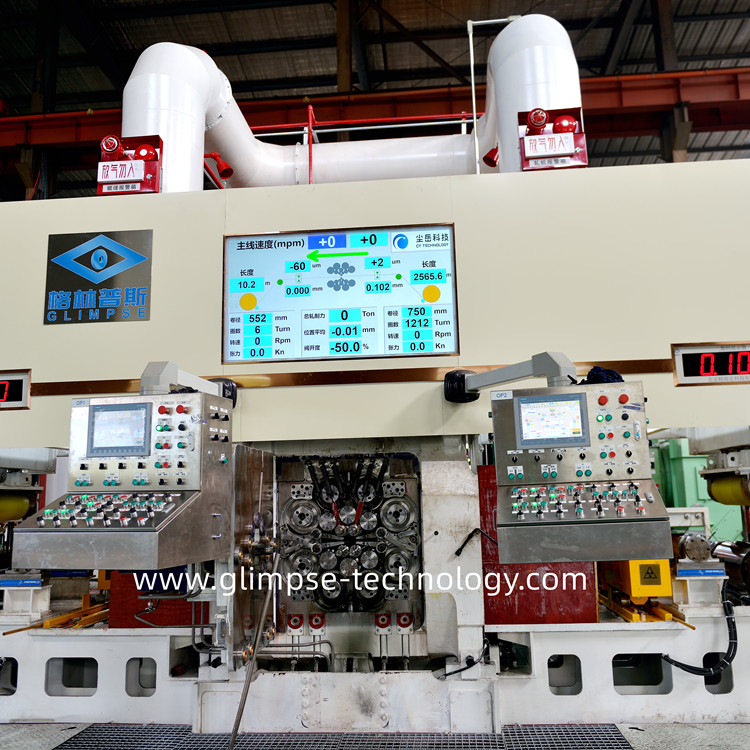 Pass schedules for reversible cold rolling mills.
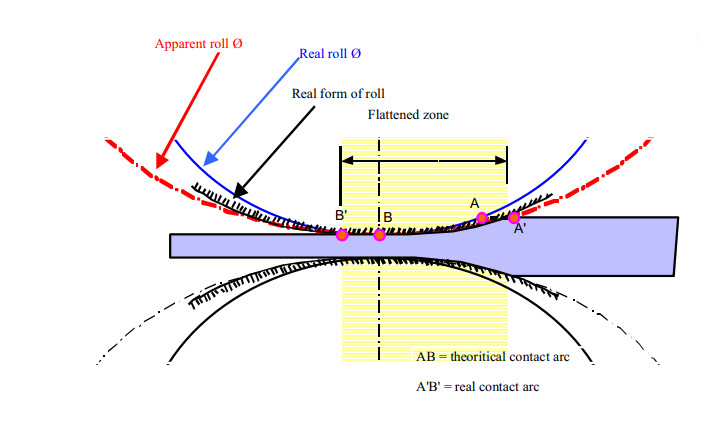 The design of work roll diameter
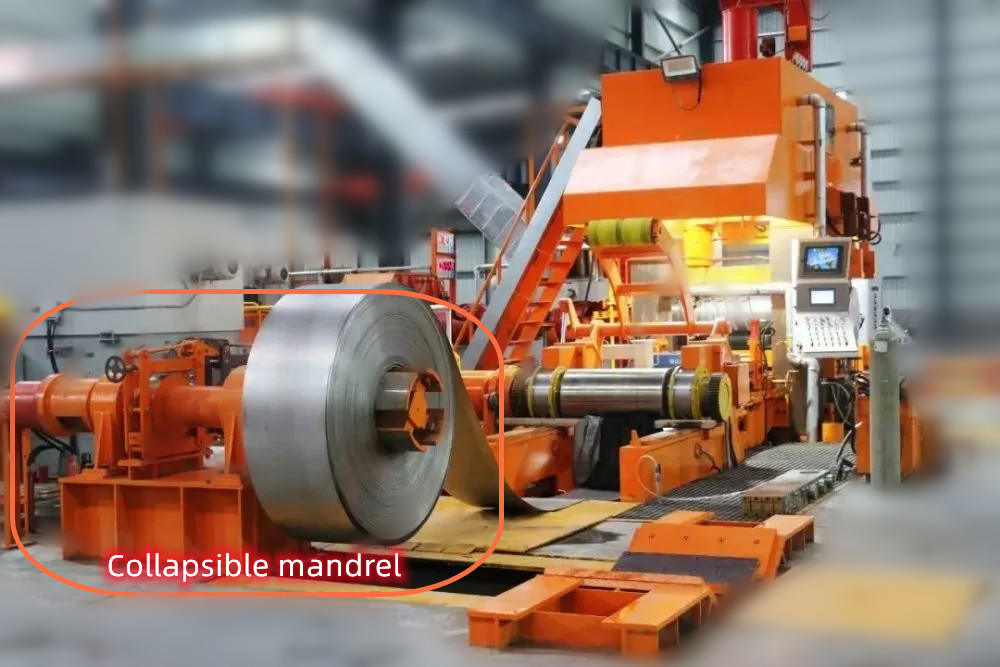 Types of coilers in metal rolling operation